
Haddock Recipes
Haddock is a mild, flaky white fish that holds together better than cod when pan-fried, and its smoked version carries enough flavor to build entire soups and breakfasts around. These recipes cover the main ways it shows up on tables in the UK, Scotland, and New England.
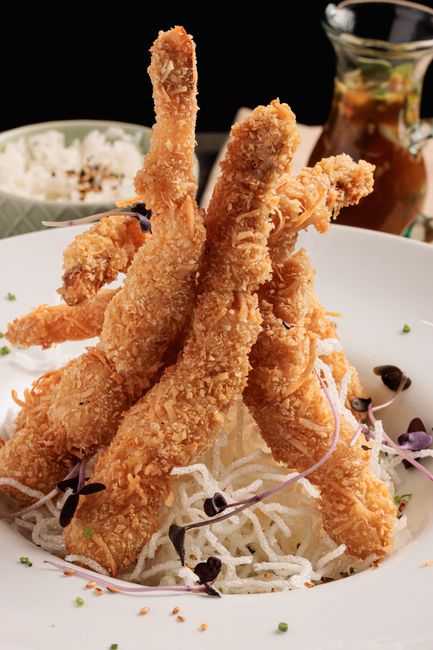
Baked Haddock with Panko Crust
Haddock fillets topped with buttery breadcrumbs and baked until the crust is golden and the fish flakes easily.

Haddock Fish and Chips
Beer-battered haddock fried until the crust shatters, served with thick-cut chips and malt vinegar.

Cullen Skink
A Scottish smoked haddock and potato soup, thickened naturally with the potatoes and finished with cream.
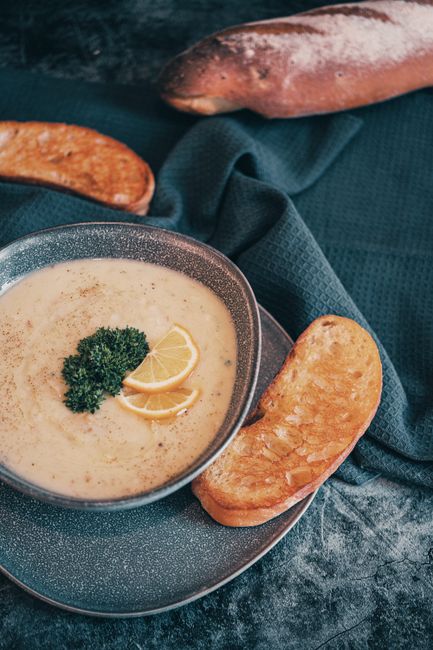
Smoked Haddock Chowder
A New England-style chowder built on smoked haddock, bacon, and potatoes in a milk-based broth.

Haddock Fish Cakes
Flaked haddock mixed with mashed potato and herbs, formed into patties and pan-fried until crisp.
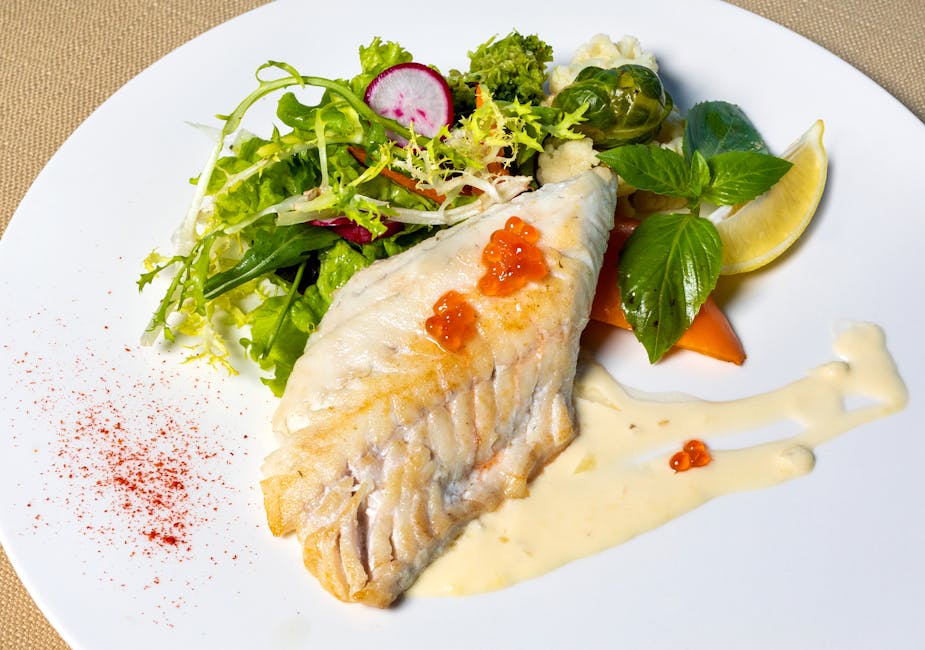
Pan-Seared Haddock with Lemon Butter
Fillets seared skin-side down until crisp, finished with a quick lemon and caper butter sauce.

Poached Smoked Haddock with Poached Egg
A traditional British breakfast of smoked haddock gently poached in milk, topped with a soft poached egg.

Haddock Tacos
Flaky baked or pan-fried haddock in warm tortillas with slaw and a squeeze of lime.
FAQ
What's the difference between haddock and cod in cooking?
Haddock has a slightly sweeter, more distinct flavor than cod and a firmer, less flaky texture, which is why it holds up better in frying and fish cakes without falling apart.
How do I know when haddock is done?
The flesh turns from translucent to opaque white and separates into large flakes with gentle pressure from a fork, usually at an internal temperature around 130-135°F for fillets before carryover cooking finishes it.
What is smoked haddock and how is it different from fresh?
Smoked haddock is cured over wood smoke, which turns the flesh pale yellow to golden and gives it a savory, slightly salty flavor, making it suitable for dishes like Cullen skink where fresh haddock would taste flat.
Can haddock be substituted with another fish?
Cod, pollock, or hake work as substitutes in most recipes since they share a similar mild flavor and flaky texture, though cooking times may need slight adjustment since fillet thickness varies by species.
How long does haddock keep in the freezer?
Fresh haddock keeps well in the freezer for up to three months when wrapped tightly, while smoked haddock can last slightly longer, around four months, due to the curing process slowing spoilage.