
Bottarga
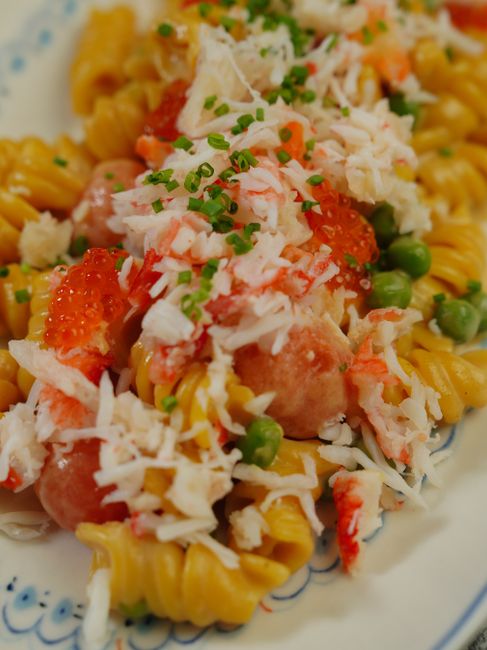
Bottarga is the salted, pressed, and air-dried roe sac of gray mullet (bottarga di muggine) or, less commonly, tuna (bottarga di tonno). The roe is cured in salt for a few days, then pressed flat and hung to dry for several weeks until it firms into a dense, amber to deep-brown block. The flavor is intensely savory and briny with a mineral, almost cheese-like funk, closer to a hard aged cheese than to raw fish. It's used sparingly, grated or shaved, as a finishing ingredient rather than a bulk one.
Varieties
Bottarga di muggine (gray mullet) is the classic Sardinian and Sicilian version, prized for its balanced saltiness and firmer texture. Bottarga di tonno (tuna roe) is stronger, saltier, and generally considered a lesser, cheaper alternative, more common in parts of Sicily and Calabria.
Buying tips
Whole lobes (sometimes labeled baffa) preserved in a thin wax coating hold flavor longer than pre-grated jars. Look for a firm, dense texture and a deep amber to reddish-brown color; pale or overly soft lobes are often lower quality or not fully cured. It should smell like the sea, not like old fish.
Substitutes
Karasumi (Japanese salted mullet roe) — 1:1
Essentially the same product made by a different cure. Nearly indistinguishable in texture and saltiness once grated.
Anchovy paste or minced salt-packed anchovies — 1/2 teaspoon paste per 1 teaspoon grated bottarga
Delivers similar salty umami depth but a smoother, less mineral flavor and no texture to shave.
Colatura di alici (Italian anchovy fish sauce) — a few drops, added to taste at the end of cooking
A liquid seasoning, not a grate-and-shave substitute, but it mimics the concentrated briny umami bottarga adds to pasta water.
Tarama (salted carp or cod roe) — start with half the amount and adjust
Softer and more spreadable than bottarga, so it works better whisked into a sauce or dip than shaved over a plate.
Finely grated aged Parmesan with a little lemon zest and flaky salt — 1:1 by volume
Not a real flavor match, but the closest vegetarian stand-in for finishing a simple oil-and-garlic pasta with a salty, savory top note.
Storage
Wrap a whole lobe tightly in plastic wrap or wax paper, pressing out air, and refrigerate for several weeks. For longer storage, wrap it the same way and freeze for up to six months, slicing off what's needed while still partly frozen. Once grated or vacuum-sealed and opened, use within a week or two since the exposed surface dries out and loses aroma.
How to use
Grate finely over hot pasta tossed with olive oil, garlic, and a little of the pasta water, adding it off the heat so it doesn't turn rubbery. Shave thin slices over cold seafood salads, soft-boiled eggs, or bread with butter. Whisk grated bottarga into vinaigrettes or brown butter to spoon over fish. Avoid cooking it directly in a hot pan for long, since heat mutes its aroma fast.
What it pairs with
Pairs naturally with olive oil, garlic, lemon, chili flakes, and bread or plain pasta shapes like spaghetti or linguine that let the flavor coat evenly. Works well with a dry, mineral white wine such as Vermentino or Sardinian Vernaccia.
Nutrition
Bottarga is rich in omega-3 fatty acids, protein, and iodine, but also very high in sodium, which is why it's used by the gram rather than the ounce.
FAQ
What exactly is bottarga made from?
The intact roe sac of a female gray mullet or tuna, salted, pressed to remove moisture, and air-dried for several weeks until firm enough to slice or grate.
Is bottarga the same thing as caviar?
No. Caviar is loose, unfertilized sturgeon eggs served whole and briny; bottarga is a whole roe sac cured into a solid block and used grated or shaved as a seasoning.
How much bottarga do you need for a plate of pasta?
About 1 to 2 teaspoons of finely grated bottarga per serving is enough; it's potent, and more than that can overwhelm the dish with salt.
Can bottarga be eaten without cooking it?
Yes. It's already cured and ready to eat raw, which is how it's traditionally served, shaved thin over bread, eggs, or vegetables.
Have bottarga on hand? Find recipes with our Recipe Generator →