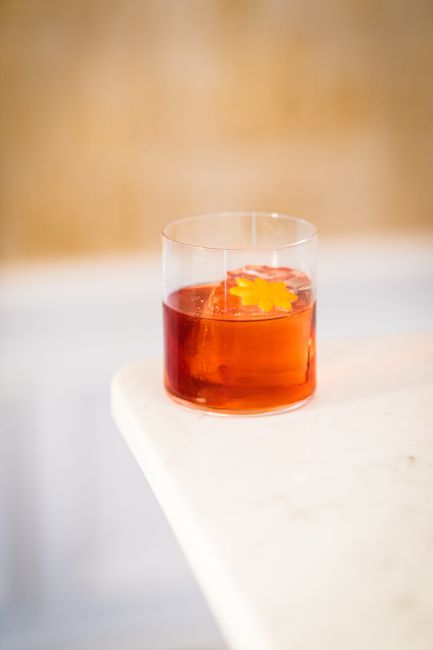
Campari
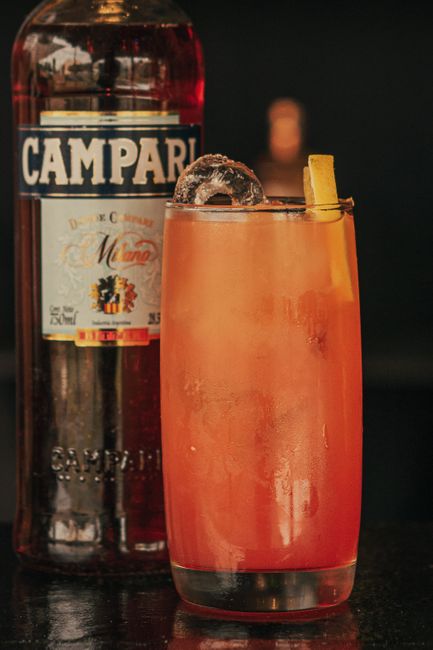
Campari is an Italian bitter liqueur (an amaro-style aperitivo) made from a secret blend of herbs, fruit peels, and aromatic plants steeped in alcohol and water, then sweetened. It's bright red, intensely bitter with orange-peel and herbal notes, and sits around 24-28% ABV depending on the market. It's built to be a bittering, coloring agent in cocktails rather than sipped alone in large amounts.
Varieties
Campari should not be confused with Aperol; both are Italian orange-hued aperitivo liqueurs, but Campari is significantly more bitter and higher in alcohol, while Aperol is sweeter, lighter, and lower proof. They are not interchangeable without changing the drink's balance.
Buying tips
Standard Campari bottles are widely available at any liquor store; check the ABV on the label since formulations differ slightly by country (the U.S. version is typically 24% ABV, the Italian export version closer to 25%). No need to seek out special bottlings; unlike wine or whiskey, there's no vintage or aging to evaluate.
Substitutes
Aperol — 1:1
Much lower alcohol (11% ABV) and sweeter with less bitterness; drinks will taste lighter and less assertive. Common swap for a milder Negroni-style drink.
Cynar — 1:1
An artichoke-based amaro that's darker, earthier, and less citrusy than Campari; changes the character of the drink noticeably.
Homemade bittersweet syrup (orange peel, gentian, and grapefruit juice reduction) — 1:1
A non-alcoholic approximation for mocktails; lacks Campari's alcohol backbone but mimics the color and bitter-citrus profile reasonably well.
Bittermens Amere Nouvelle or Bruto Americano — 1:1
Craft amari built specifically as Campari substitutes; closer in bitterness and ABV than Aperol.
Storage
Store the unopened bottle upright in a cool, dark cabinet; it doesn't need refrigeration. Once opened, it keeps well for a year or more at room temperature since the alcohol content and sugar act as preservatives, though flavor is best within about 6 months of opening. Keep the cap tightly sealed to slow oxidation.
How to use
Used almost exclusively in cocktails: the Negroni (equal parts Campari, gin, and sweet vermouth), the Americano (Campari, sweet vermouth, and soda water), and the Campari Spritz (Campari, prosecco, and soda). A small amount stirred into orange juice makes a simple aperitivo. It's rarely cooked with, though a splash can be reduced into a bitter-orange glaze for duck or pork.
What it pairs with
Pairs with gin, sweet vermouth, and orange in classic cocktails; also works well against salty snacks like olives, cured meats, and Marcona almonds that stand up to its bitterness. In food, its orange-peel bitterness complements roasted duck, pork, and dark chocolate desserts.
Nutrition
About 100 calories per 1.5-ounce serving, almost entirely from alcohol and sugar; it contains no meaningful fat, protein, or fiber. It's consumed in small pours, so it contributes modestly to a cocktail's overall calorie count compared to the spirit base.
FAQ
Is Campari the same as Aperol?
No. Campari is more bitter and stronger (around 24-28% ABV) while Aperol is sweeter and lower proof (about 11% ABV). Swapping one for the other changes a Negroni into a noticeably different, lighter drink often called a Naperol or Negroni Sbagliato variant.
Does Campari go bad after opening?
Not in the way perishable food does. It slowly loses aromatic intensity through oxidation once opened, so for best flavor use an opened bottle within about 6 to 12 months, though it remains safe to drink well beyond that.
Can Campari be substituted in a Negroni without changing the drink completely?
Bittermens Bruto Americano or Cappelletti are the closest substitutes in bitterness and proof; Aperol or Cynar will work but shift the drink toward sweeter or earthier, respectively.
What gives Campari its red color?
Historically Campari was colored with carmine (cochineal insect extract); since 2006 the mass-market formula uses artificial red dye instead, though the flavor recipe itself remains unchanged and secret.
Have campari on hand? Find recipes with our Recipe Generator →