
Cheese Pizza
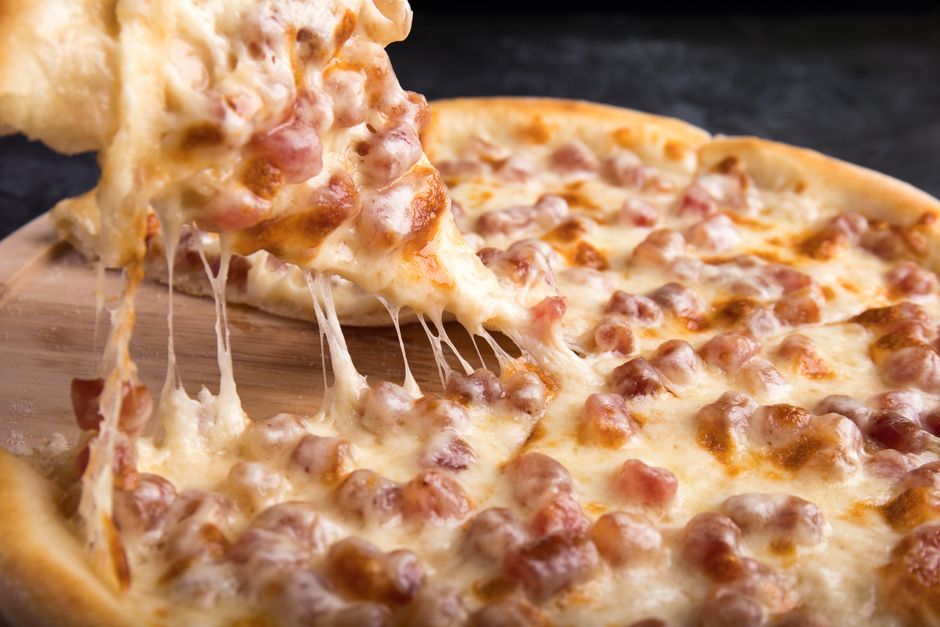
Cheese pizza, in the American sense, is a round pizza topped with tomato sauce and a layer of shredded, low-moisture mozzarella (often blended with provolone or a bit of cheddar) baked until the cheese browns in spots and the crust crisps. It's distinct from a Neapolitan margherita, which uses fresh mozzarella, basil, and olive oil and is baked much hotter for a shorter time. Cheese pizza is the base template most other pizzas build on: remove the pepperoni or vegetables and you're back to sauce, cheese, and dough.
Varieties
Margherita pizza is often confused with cheese pizza but uses fresh mozzarella, whole basil leaves, and a much hotter, shorter bake, giving a softer, wetter cheese layer. New York-style cheese pizza uses a thinner crust and a drier low-moisture mozzarella that browns and holds its shape when folded. Detroit-style cheese pizza pushes brick cheese to the edges of a rectangular pan so it caramelizes into a lacy crust.
Buying tips
For frozen cheese pizza, check that mozzarella (not a generic 'pizza cheese' blend of vegetable oil and starch) is listed first among the cheese ingredients for better melt and flavor. For homemade, buy low-moisture whole-milk mozzarella in block form and shred it yourself; pre-shredded bags are coated in anti-clumping starch that keeps the cheese from melting as smoothly.
Substitutes
Low-moisture mozzarella and provolone blend — 1:1
The standard pizzeria mix; provolone adds a sharper flavor and helps the cheese brown instead of just melting flat.
Fontina — 1:1
Melts very smoothly with a nutty flavor, but browns faster than mozzarella so watch the oven closely in the last few minutes.
Cashew-based vegan mozzarella — 1:1 by weight
Melts and stretches reasonably well but browns less; a light brush of olive oil on top before baking helps it color.
Fresh mozzarella (in place of low-moisture) — 1:1 by weight, torn into pieces rather than shredded
Releases more water, so pat pieces dry first or the crust can turn soggy under the cheese.
Cheddar and mozzarella blend (about 25% cheddar) — 1:1
Adds color and a sharper edge but cheddar can grease out and pool if used alone or in higher ratios.
Storage
Cool leftover cheese pizza to room temperature, then stack slices with a sheet of parchment between them in an airtight container or wrap tightly in foil. Refrigerate up to 4 days. For longer storage, freeze whole slices flat on a tray until solid, then bag them; they keep well for about 2 months.
How to use
Beyond eating it as is, leftover cheese pizza slices work well cut into wedges and crisped in a skillet for a quick lunch, or torn up and baked into a strata-style breakfast bake with eggs. The plain sauce-and-cheese base is also the easiest starting point for building any other topping combination.
What it pairs with
A simple green salad with a sharp vinaigrette cuts through the richness of the cheese. Cheese pizza also pairs well with a light lager or a medium-acid red like Chianti, both of which stand up to the tomato sauce without competing with the cheese.
Nutrition
A standard slice of cheese pizza runs roughly 250-300 calories, with 10-12 grams of protein and around 10 grams of fat, most of it from the cheese. Sodium is usually the number worth watching, often 500-700 mg per slice between the sauce and cheese.
FAQ
What's the actual difference between cheese pizza and margherita?
Cheese pizza uses shredded low-moisture mozzarella and is baked at a standard home-oven temperature (450-500°F); margherita uses fresh mozzarella and basil and is traditionally baked much hotter, often 700°F plus, for only 90 seconds to 2 minutes.
Why does the cheese slide off my homemade cheese pizza?
This usually means the sauce is too wet or the cheese was piled on too thick before the crust had a chance to set. Spread sauce in a thin layer and let the pizza bake long enough for the bottom crust to firm up before the cheese fully melts and shifts.
Can cheese pizza be made dairy-free?
Yes, using a cashew or coconut oil based vegan mozzarella, though the melt is looser and browning is minimal, so a light oil brush on top before baking helps it color closer to the real thing.
What's the best way to reheat a leftover slice?
A skillet on medium-low heat with a lid for 3-4 minutes recrisps the bottom crust while the lid traps heat to re-melt the cheese, which works better than a microwave, which leaves the crust soft and chewy.
Have cheese pizza on hand? Find recipes with our Recipe Generator →