
Chongos Zamoranos
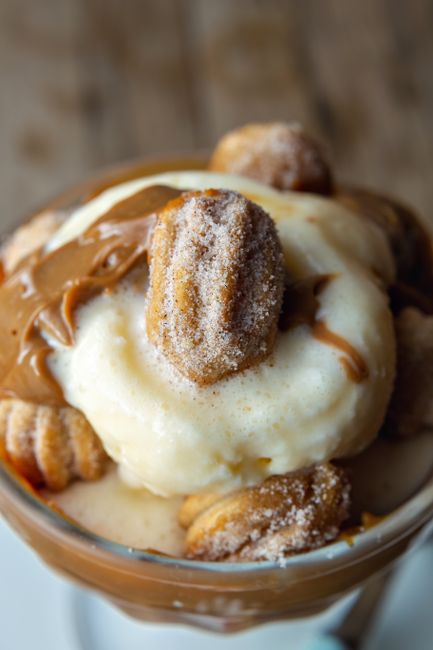
Chongos zamoranos are a traditional Mexican dessert that originated in Zamora, Michoacán. Fresh milk is curdled with rennet (cuajo) until it separates into firm white curds, which are cut into large cubes and simmered very slowly, for hours, in a cinnamon-spiced sugar or piloncillo syrup. The slow cooking firms the curds further and turns them a pale golden color while the whey reduces into a thick, fragrant syrup. The result sits somewhere between a firm panna cotta and fresh paneer: springy, faintly tangy from the milk, and sweetened only by the syrup it's cooked and served in.
Varieties
Plain "chongos" without the zamoranos designation can refer to looser regional versions made with less cooking time and a thinner syrup. True chongos zamoranos are defined by the long, slow simmer that firms the curd and darkens the syrup, a technique specific to Zamora, Michoacán, and distinct from Colombian cuajada or Central American cortado, which use different curdling methods and are rarely simmered in syrup at all.
Buying tips
Look for them refrigerated at Mexican grocery stores or panaderías, usually sold in small plastic containers or glass jars submerged in syrup. The curds should look pale gold, not bright white (which signals they weren't simmered long enough) and the syrup should be clear and thick rather than cloudy or separated.
Substitutes
Cuajada con panela (fresh Latin American curd cheese simmered in panela syrup) — 1:1 by weight
Very close in texture and technique since it's also a rennet-set curd; the syrup tends to be less cinnamon-forward, so add a stick or two while simmering.
Homemade ricotta or queso fresco simmered in cinnamon-sugar syrup — 1:1 by weight
Ricotta won't hold cubed shape as cleanly since it lacks the firm curd structure rennet gives, but it picks up the syrup flavor well and works fine spooned rather than sliced.
Flan de cajeta (caramel milk custard) — not directly interchangeable
A custard, not a curd, so the texture and preparation are entirely different; use only as a dessert-course substitute, not a recipe swap.
Storage
Keep chongos zamoranos fully submerged in their syrup in an airtight container in the refrigerator. They hold their texture for 4 to 5 days; after that the curds start absorbing too much syrup and turn mushy at the edges. Do not freeze, since the curd separates and turns grainy on thawing.
How to use
Served chilled or at room temperature as a standalone dessert, usually in small bowls with a generous spoonful of their own syrup and a cinnamon stick. They're also spooned over vanilla ice cream, layered into parfaits with fresh strawberries, or used to top a simple pan dulce for a milk-forward dessert plate.
What it pairs with
Pairs well with strong black coffee or café de olla, fresh strawberries or mango, and a drizzle of cajeta for extra caramel depth. Avoid pairing with anything else heavily dairy-based, since the dessert is already rich in milk flavor.
Nutrition
As a milk-based dessert simmered in sugar syrup, chongos zamoranos are high in added sugar and provide a meaningful amount of calcium and protein from the curdled milk itself, more protein per serving than most syrup-based Mexican desserts like arroz con leche.
FAQ
Why are they called "zamoranos"?
The name refers to Zamora, Michoacán, the city where the dessert originated and where it's still considered a specialty, sold in market stalls and dairy shops throughout the region.
Can lemon juice replace rennet for curdling the milk?
It changes the result. Rennet produces a firmer, springier curd that holds its cubed shape through hours of simmering, while lemon-juice-curdled milk breaks into softer, looser curds that tend to fall apart in the syrup.
What should the texture be like?
Firm but tender, similar to paneer or a dense panna cotta, with enough structure to hold a cube shape on a spoon after simmering in syrup for two to three hours.
Is there a good dairy-free version?
Not really. The dessert depends on milk curdling into a firm structure, and plant milks don't curdle with rennet the same way, so dairy-free attempts usually end up as a loose custard rather than true chongos.
Have chongos zamoranos on hand? Find recipes with our Recipe Generator →