
Chorizo
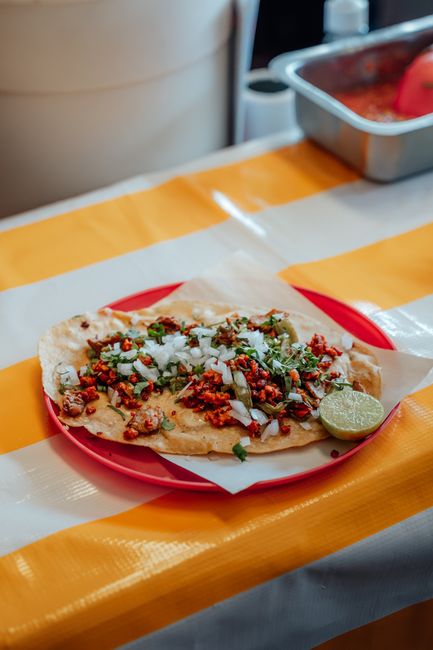
Chorizo is a pork sausage seasoned heavily with chile, paprika, garlic, and vinegar, and it's the base of one of the most popular taco fillings in Mexican cooking. Fresh Mexican chorizo is sold raw and loose or in thin casings and must be cooked before eating; it crumbles and renders fat as it browns, which is exactly what makes chorizo tacos so rich. Spanish chorizo is a different product entirely: cured, smoked, and often sliced rather than crumbled.
Varieties
Mexican chorizo is raw, loose or lightly cased, deep red from ground dried chiles, and must be fully cooked. Spanish chorizo is cured and smoked, firmer, sliceable like salami, and gets its color and flavor mainly from smoked paprika rather than fresh chiles. They aren't interchangeable without adjusting cooking method.
Buying tips
For tacos, buy fresh Mexican chorizo in the refrigerated meat case, either loose or in thin casings you'll remove before cooking. Check the ingredient list: quality chorizo lists pork as the first ingredient rather than pork byproducts or excessive fillers. Spanish chorizo is sold as a firm, dry, log-shaped sausage near cured meats, not in the raw meat case.
Substitutes
Soyrizo (soy-based chorizo) — 1:1 by weight
A plant-based crumble seasoned to mimic chorizo's chile and vinegar flavor. Browns faster than pork chorizo since it releases far less fat, so add a tablespoon of oil to the pan.
Ground pork or beef with chorizo seasoning — 1:1 by weight, plus 1.5 tsp smoked paprika, 1 tsp cumin, 1 minced garlic clove, and 1 tsp vinegar per 4 oz
Closest texture match for tacos since it browns and crumbles the same way. Needs the vinegar for the tang that plain seasoned meat lacks.
Ground turkey or chicken with chorizo seasoning — 1:1 by weight, same added spices as above
A leaner swap that still takes on the chile and paprika flavor well, though it dries out faster in the pan and benefits from a splash of broth while cooking.
Spanish chorizo, diced small — Not a direct swap; use about 3/4 the weight, finely diced
Already cured and smoked rather than raw, so it won't render and crumble the same way. Dice it small and let the edges crisp in the pan instead of trying to break it up like ground meat.
Storage
Fresh raw Mexican chorizo keeps 1 to 2 days in the refrigerator and up to 2 months tightly wrapped in the freezer. Once cooked, it holds for 3 to 4 days refrigerated in a sealed container. Cured Spanish chorizo lasts several weeks unopened in the fridge and about a week once cut, wrapped tightly to keep it from drying out.
How to use
Brown fresh chorizo in a dry skillet over medium heat, breaking it into small crumbles as it cooks, about 8 to 10 minutes, then drain excess fat before piling it into warm tortillas. It's also common mixed into scrambled eggs, folded into refried beans, or stirred into diced potatoes for chorizo con papas tacos.
What it pairs with
Pairs well with charred white onion, chopped cilantro, cotija or queso fresco, a squeeze of lime, and salsa verde. Also good alongside black beans, grilled pineapple, or scrambled eggs for a breakfast taco.
Nutrition
Chorizo is calorie-dense and high in both fat and sodium due to its cure and seasoning, but it's also a good source of protein and iron. A little goes a long way in tacos since the fat carries a lot of flavor.
FAQ
What's the actual difference between Mexican and Spanish chorizo?
Mexican chorizo is raw ground pork that must be cooked before eating and crumbles like ground beef. Spanish chorizo is cured and smoked, safe to eat sliced without further cooking, and won't break down into crumbles the same way.
Can you eat chorizo raw?
Fresh Mexican chorizo cannot be eaten raw; it needs to reach 160°F like any raw ground pork. Cured Spanish chorizo is already safe to eat as-is, straight from the package.
Which type of chorizo is better for tacos?
Fresh Mexican chorizo is the standard for tacos because it browns and crumbles into small savory bits that coat the tortilla. Spanish chorizo works if diced small and crisped in the pan, but the texture will be firmer and chewier rather than crumbly.
How do you keep chorizo tacos from being too greasy?
Drain the rendered fat from the pan after browning, leaving only a tablespoon or two to keep the crumbles moist. Blotting the cooked chorizo briefly on a paper towel also helps if the sausage was particularly fatty.
Can chorizo tacos be made vegetarian?
Yes, soyrizo is the most common substitute and matches the crumbled texture closely, though it needs added oil since it doesn't render fat the way pork chorizo does.
Have chorizo on hand? Find recipes with our Recipe Generator →