
Green Lentils
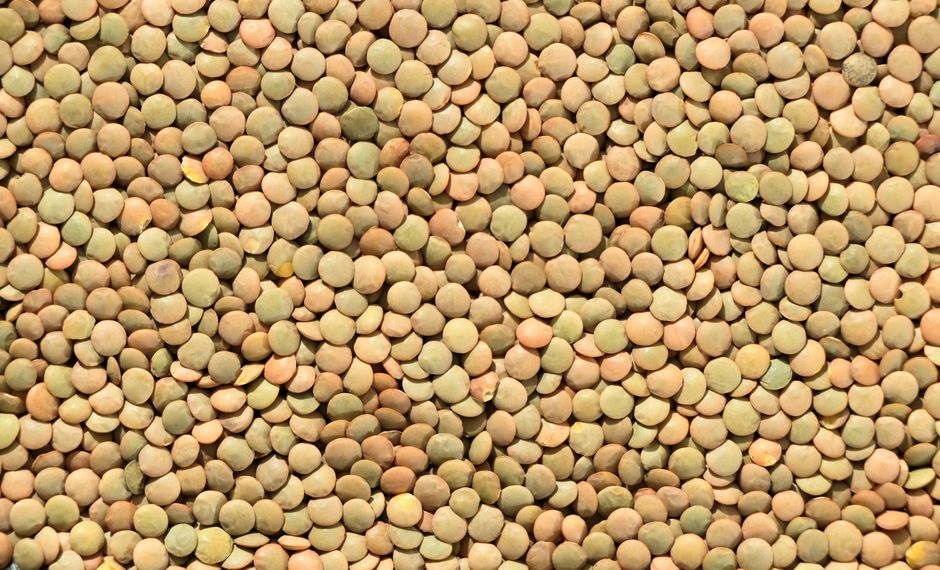
Green lentils are whole, unhulled lentils with a mottled green to olive-brown seed coat. They cook faster than most beans, hold their shape better than red or brown lentils, and carry a mild, slightly peppery flavor that works in both brothy soups and cold salads. The name covers a range of similar lentils, from standard supermarket green lentils to the firmer, more expensive French green (Puy) lentils.
Varieties
Standard green lentils sold in most grocery stores are a different cultivar from French green (Puy) lentils, which are smaller, darker, and hold their shape more firmly after cooking, making them the preferred choice for cold lentil salads. Both are distinct from brown lentils, which soften faster and break down more easily.
Buying tips
Choose lentils that look uniform in size and color with no shriveling, dust, or visible debris in the bag. Buy from a source with decent turnover, since very old lentils take noticeably longer to cook and never fully soften.
Substitutes
Brown lentils — 1:1
Slightly softer texture once cooked and a more earthy flavor, but they hold together well enough for soups and stews.
French green (Puy) lentils — 1:1
Firmer and holds its shape more distinctly, ideal for salads; costs more and may need a few extra minutes to cook.
Black beluga lentils — 1:1
Smaller and glossy black, with a similar bite; a good stand-in for salads where appearance matters less than texture.
Yellow or green split peas — 1:1 by volume, but reduce liquid slightly
Split peas break down into a softer, thicker texture, so they suit purees and dals better than salads or side dishes.
Red or yellow lentils — 1:1
Cook much faster and turn soft and mushy, so use only when a broken-down, thickened texture is acceptable, such as in soups.
Storage
Store dried green lentils in an airtight container in a cool, dark pantry, where they keep well for up to a year, though flavor and cook time can drift after that. Cooked lentils keep in a sealed container in the refrigerator for about 5 days, or in the freezer for up to 6 months.
How to use
Green lentils need no soaking. Simmer in water or broth for 20 to 30 minutes until tender but still holding their shape, then drain. Use them in soups, stews, grain bowls, and cold salads with vinaigrette, or simmer them alongside rice or sausage. Avoid overcooking if the dish calls for distinct, intact lentils rather than a puree.
What it pairs with
Pairs well with cumin, garlic, bay leaf, smoked paprika, and acidic finishes like lemon or red wine vinegar. Works alongside roasted root vegetables, sausage, feta, and leafy greens like spinach or kale.
Nutrition
Green lentils are a solid source of plant protein and fiber, roughly 18 grams of protein and 15 grams of fiber per cooked cup, along with folate, iron, and potassium.
FAQ
Do green lentils need to be soaked before cooking?
No. Unlike most dried beans, lentils cook directly from dry and are typically tender within 20 to 30 minutes of simmering.
Why are my green lentils still hard after 30 minutes of cooking?
This usually means the lentils are old or the water is too hard; try adding a bit more liquid and continuing to simmer, or switch to filtered water for the next batch.
Can green lentils replace brown lentils in a recipe?
Yes, in nearly any recipe at a 1:1 ratio. Green lentils hold their shape slightly better, so they're a good upgrade in dishes meant to have distinct, intact lentils.
Should you salt the cooking water for lentils?
Salting lightly at the start is fine and doesn't toughen lentils the way it can with dried beans; a bay leaf or a smashed garlic clove added to the pot adds more flavor than salt alone.
Have green lentils on hand? Find recipes with our Recipe Generator →