
Manchego Cheese
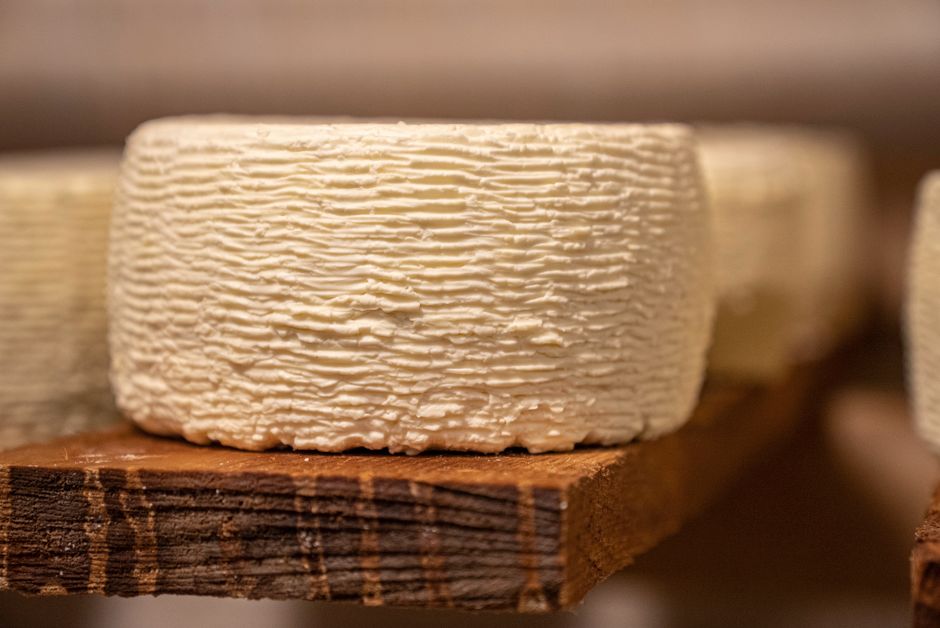
Manchego is a firm Spanish cheese made exclusively from the milk of Manchega sheep raised in the La Mancha region of central Spain. It has a dense, buttery interior dotted with small air pockets, a tangy, slightly nutty flavor that deepens with age, and a natural rind imprinted with a zigzag basket pattern left over from the traditional esparto grass molds. Authentic Manchego carries a Denominación de Origen (DO) seal guaranteeing both the milk source and region of production.
Varieties
Manchego is sold at different ages that change its character significantly. Semicurado (aged about 3 to 6 months) is softer and milder. Curado (6 to 9 months) is the most common style, firmer with a sharper tang. Viejo or añejo (9 to 12 months or more) is hard, crumbly, and intensely nutty, closer to a grating cheese. Manchego made from raw milk (artesano) tends to have more complex flavor than pasteurized industrial versions.
Buying tips
Check for the black or ochre DO Manchego seal on the rind, which confirms the cheese was made from Manchega sheep's milk in the correct region. The rind's zigzag pattern should be visible even after waxing. Choose semicurado for a milder, softer cheese or curado and viejo for a sharper, crumblier one.
Substitutes
Zamorano — 1:1
Another Spanish sheep's milk cheese, firmer and slightly saltier, but very close in flavor and texture.
Pecorino Romano — 1:1
Sharper and much saltier since it's aged longer and salted more heavily; good for grating but too intense for eating in slices.
Idiazabal — 1:1
A Basque sheep's milk cheese, often lightly smoked, which adds a flavor note Manchego doesn't have.
Parmigiano-Reggiano — 1:1
Cow's milk and drier, but a reasonable stand-in for grating over pasta or vegetables when a sheep's milk cheese isn't available.
Asiago (aged) — 1:1
Milder and less tangy, but similar firm, sliceable texture for a cheese board.
Storage
Wrap in wax or cheese paper rather than plastic wrap so the cheese can breathe, then place in a loosely closed bag or container in the refrigerator crisper drawer. Rewrap in fresh paper every few days. Well-wrapped, an opened wedge keeps for 3 to 4 weeks; a whole unopened wheel can last several months.
How to use
Slice into thin wedges for a cheese board with membrillo (quince paste), Marcona almonds, and jamón. Grate or shave aged Manchego over roasted vegetables, tortilla española, or pasta. Cubed semicurado works well pan-fried until golden for a warm tapa, and it melts adequately into sauces though it doesn't stretch the way mozzarella does.
What it pairs with
Pairs classically with membrillo, marcona almonds, olives, and cured Spanish meats like jamón serrano or chorizo. On the drinks side, it goes well with fino or amontillado sherry, Rioja, and dry ciders.
Nutrition
Manchego is high in protein, calcium, and saturated fat, with sheep's milk contributing more fat and calcium per ounce than cow's milk cheeses. A one-ounce serving typically runs around 110 to 130 calories depending on age.
FAQ
Is Manchego made from cow's milk or sheep's milk?
Sheep's milk only, specifically from Manchega sheep. A cheese labeled Manchego made with cow's or goat's milk is not authentic and cannot legally carry the DO seal.
What's the difference between semicurado and curado Manchego?
Semicurado is aged around 3 to 6 months and is softer with a mild, buttery flavor. Curado is aged 6 to 9 months, firmer in texture, and noticeably tangier and saltier.
Can Manchego be eaten during pregnancy?
Manchego made from pasteurized milk is generally considered safe. Raw milk (artesano) versions carry the same listeria risk as other unpasteurized soft-adjacent cheeses and are typically avoided during pregnancy.
Can Manchego cheese be frozen?
It can, though freezing changes the texture, making it more crumbly once thawed. It's best reserved for grating into cooked dishes afterward rather than serving in slices.
Why does Manchego have a zigzag pattern on the rind?
The pattern comes from the traditional esparto grass molds used to press the curds. Modern producers often replicate it with plastic molds even though esparto grass is rarely used anymore.
Have manchego cheese on hand? Find recipes with our Recipe Generator →