
Quince
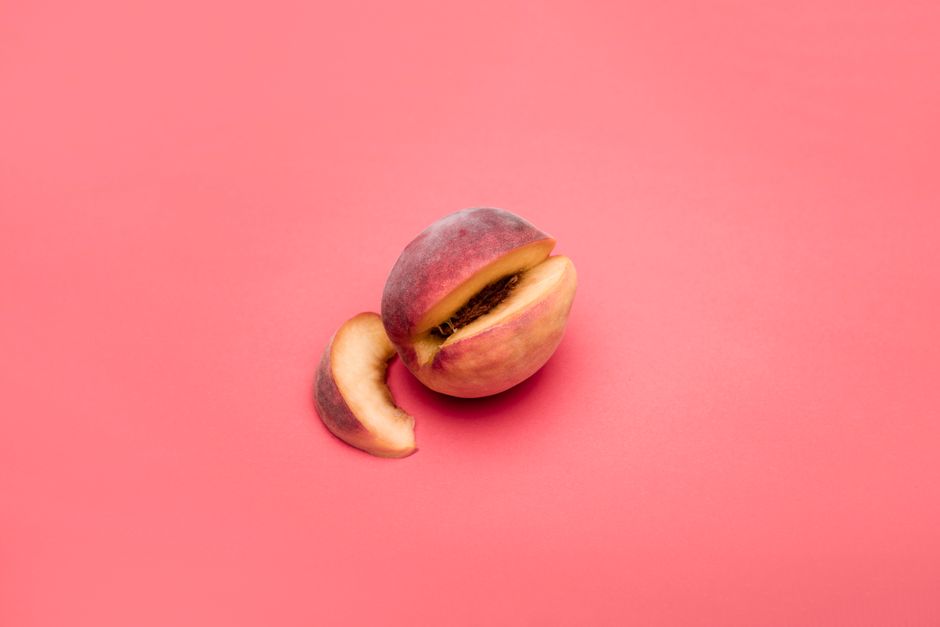
Quince (Cydonia oblonga) is a hard, knobby fruit related to apples and pears, with a fuzzy yellow skin and a strong floral aroma. Raw quince is dense, dry, and astringent, essentially inedible off the tree, but cooking transforms it: the flesh turns soft, fragrant, and rosy pink or amber, with a flavor somewhere between apple, pear, and honey. It's almost always poached, baked, or simmered down into paste rather than eaten fresh.
Varieties
Pineapple quince and Smyrna quince are common cultivars sold at farmers markets, differing mainly in size and how quickly they soften when cooked; flavor differences are minor compared to the raw-versus-cooked distinction that matters most.
Buying tips
Choose quince that feels heavy for its size with firm, unbruised skin; a strong floral or honey-like fragrance is a good sign of ripeness. Skin color ranges from green-yellow to full gold; the fuzzy coating often rubs off easily and doesn't indicate quality.
Substitutes
Firm pears (Bosc or Anjou) plus a squeeze of lemon — 1:1 by weight
Pears cook down faster and lack quince's tannic bite, so add lemon juice and reduce liquid slightly to compensate for the higher water content.
Tart apples (Granny Smith) — 1:1 by weight
Closest texture match when baking or poaching, though apples turn tender in about half the time quince needs.
Quince paste (membrillo), for recipes calling for cooked quince puree — 1:1 by weight, thinned with a little water
Works only for recipes using quince as a soft, sweet component, not for dishes meant to showcase whole poached pieces.
Storage
Store unwashed quince at room temperature for up to a week, or in the refrigerator crisper for up to two months; the fruit hardens further but keeps its aroma. Keep quince away from other produce since its strong scent can transfer to nearby fruit.
How to use
Peel, core, and quarter before cooking; the flesh is far too hard and astringent to eat raw. Poach in sugar syrup with lemon and spices for 45 to 60 minutes until deep pink and tender, bake alongside pork or in tarts, or simmer down with sugar for hours to make membrillo (quince paste) or quince jam.
What it pairs with
Pairs well with cinnamon, vanilla, star anise, and citrus in poached or baked desserts, and with manchego cheese, pork, and lamb in savory dishes, especially in Spanish and Middle Eastern cooking.
Nutrition
Quince is low in calories and a decent source of fiber and vitamin C, though most of that vitamin C diminishes with the long cooking times quince requires.
FAQ
Can you eat quince raw?
Not really. Raw quince is rock-hard, dry, and astringent from tannins; cooking is what breaks down the flesh and converts the tannins into a soft, fragrant texture and flavor.
Why does cooked quince turn pink?
Long, slow cooking converts colorless compounds in the flesh into anthocyanin-like pigments, producing the rose to deep red color typical of poached quince, especially when the skins or cores are included during cooking.
How long does quince take to cook compared to apples or pears?
Quince takes roughly two to three times longer than apples or pears to become tender, often 45 minutes to over an hour of simmering, because its flesh is much denser and higher in pectin.
Can quince seeds be eaten?
No, quince seeds contain trace amounts of amygdalin and should be discarded along with the tough core before cooking.
Have quince on hand? Find recipes with our Recipe Generator →