
Molcajete
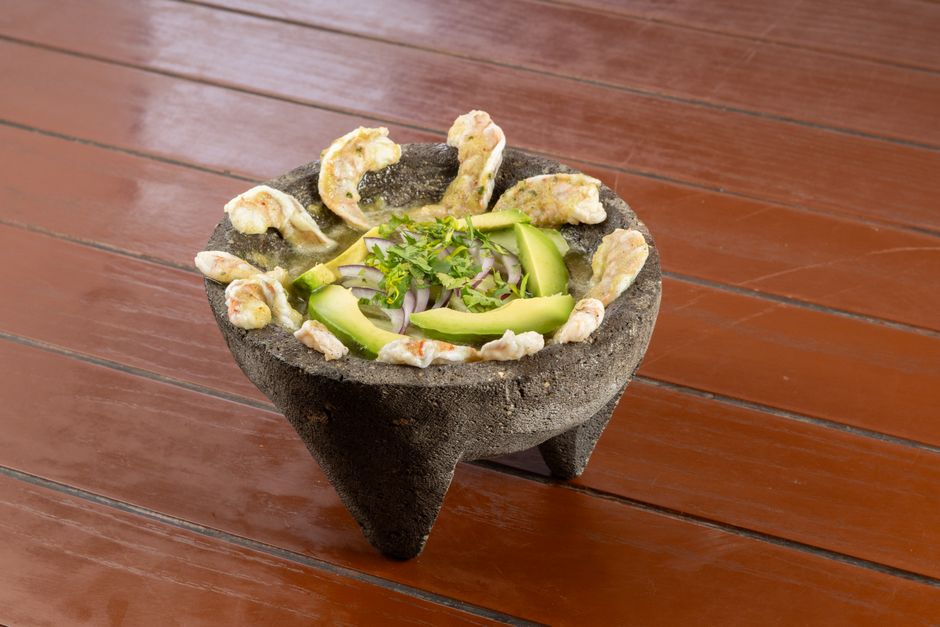
A molcajete is a mortar carved from vesicular basalt (porous volcanic rock), used with a matching pestle called a tejolote to grind chiles, spices, and aromatics into salsas and guacamole. The rough, pitted stone surface acts like natural sandpaper, breaking down ingredients and releasing oils in a way smooth ceramic or metal can't match. The name has also come to describe a restaurant dish, molcajete mixto, where grilled steak, chicken, shrimp, chorizo, nopales, and queso are piled into a heated stone molcajete with salsa and served still bubbling at the table.
Varieties
Molcajete refers to the bowl; the pestle is a separate piece called a tejolote, and the two are always sold and used as a pair. As a dish name, molcajete (or molcajete mixto) specifically means the combination platter served sizzling in the stone bowl, distinct from simply calling any salsa 'molcajete salsa' when it's been hand-ground rather than blended.
Buying tips
Authentic molcajetes are carved from a single piece of basalt and feel rough and slightly gritty on the inside grinding surface; a smooth or painted-looking interior usually means it's cast concrete or resin rather than real volcanic stone, and it won't grind properly or hold heat the same way. Tap it gently: real basalt sounds dense and solid, not hollow. A 6 to 8 inch bowl diameter is enough for salsas and guacamole for a few people; go larger only if serving the mixto-style dish tableside.
Substitutes
Granite mortar and pestle — 1:1
Denser and smoother than basalt, so grinding takes a little more effort, but it works for salsas, spice pastes, and guacamole without any flavor difference.
Food processor or blender — pulse in short bursts
Fast and consistent, but the texture comes out more uniform and liquid; pulse rather than blend continuously to keep some chunkiness for guacamole.
Cast iron skillet or comal (for serving the dish) — 1:1 as a serving vessel
Preheat it very hot, add the cooked meats and salsa just before serving, and it will sizzle the same way a hot molcajete does, just without the volcanic-stone presentation.
Wooden mortar and pestle — 1:1
Works fine for soft ingredients like herbs and garlic, but it's too smooth and light to properly crush dried chiles or whole spices the way stone does.
Storage
A new molcajete needs to be cured before its first use: grind uncooked white rice into a fine powder several times until the powder comes out clean, since raw stone dust and grit will otherwise end up in your food for weeks. After that, wash by hand with water only (no soap, which the porous stone absorbs), let it dry completely upside down, and store in a dry cabinet. Never run it through a dishwasher, and don't leave it wet, since trapped moisture can encourage mold in the pores.
How to use
Beyond grinding guacamole and table salsas, a molcajete is used for crushing whole spices like cumin and peppercorns, mashing garlic with salt into a paste, and pounding dried chiles after toasting. As a serving dish, the stone molcajete is heated on the stovetop or in the oven until very hot, then used to plate the molcajete mixto so the dish keeps sizzling and warm at the table, often with the salsa poured in last so it bubbles visibly.
What it pairs with
Serve molcajete mixto with warm corn tortillas for scooping, a side of rice and refried beans, and pickled jalapeños or onions to cut the richness. Mezcal or a cold Mexican lager pairs well with the smoky, char-grilled flavors.
Nutrition
The molcajete itself contributes nothing nutritionally; it's the food ground or served in it that matters. A typical molcajete mixto is high in protein from the mixed grilled meats and cheese, so portioning it to share among two or three people, with extra tortillas and rice, keeps a single serving from being excessive.
FAQ
Do I have to season a molcajete before using it?
Yes. Grinding several batches of raw rice into powder removes loose stone grit from the porous surface; skipping this step means small bits of basalt end up in your first few batches of salsa or guacamole.
Can I put a molcajete on the stovetop for the sizzling dish?
Yes, but heat it gradually rather than blasting it on high right away, since rapid temperature changes can crack volcanic stone. A slow preheat over medium heat for several minutes works best.
Why does salsa taste different from a molcajete than from a blender?
The rough basalt surface tears and crushes ingredients unevenly rather than pureeing them smooth, which releases more chile oils and keeps some texture, giving a rustic, more aromatic result than a blended salsa.
Is the molcajete dish always very spicy?
Not necessarily; the heat level depends on the salsa used underneath the meats, which ranges from mild tomatillo-based versions to fiery salsas made with dried chiles like guajillo and árbol.
Have molcajete on hand? Find recipes with our Recipe Generator →