
Piquillo Peppers
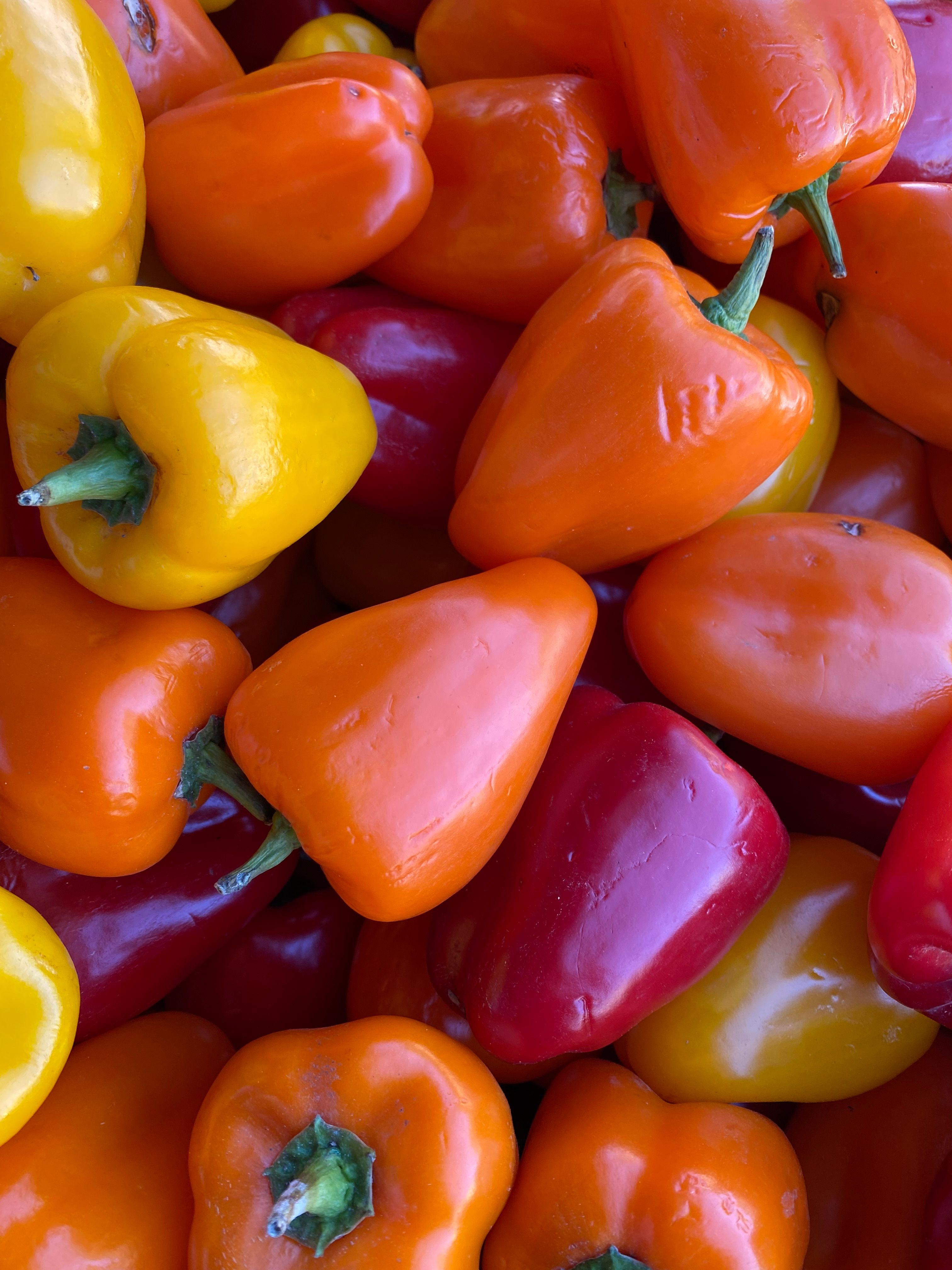
Piquillo peppers are small, triangular sweet peppers grown mainly in Navarra, Spain, hand-picked, fire-roasted, peeled, and packed in jars or cans, usually in their own juices rather than oil or vinegar. They have a naturally sweet, smoky flavor with a faint background heat that never becomes sharp, and a soft, almost velvety texture from the roasting and peeling process. Unlike raw bell peppers, they need no further cooking and are typically used straight from the jar.
Varieties
Piquillo peppers are a specific cultivar (Capsicum annuum) distinct from generic roasted red peppers; true piquillos are always fire-roasted rather than boiled or steamed, which is what gives them their smoky edge. Peppers sold simply as 'roasted red peppers' are usually a different, larger variety roasted by a less intense method.
Buying tips
Look for jars or cans labeled 'piquillo peppers from Navarra' or 'Lodosa,' the traditional growing region, since these tend to have the most reliable sweetness and firmness. Peppers packed in their own juice rather than oil or vinegar give more control when using them in a recipe that already has its own dressing or sauce.
Substitutes
Jarred roasted red bell peppers — 1:1
Milder and slightly less sweet, with no smokiness; a splash of smoked paprika or a few drops of sherry vinegar closes the gap.
Peppadew peppers (mild) — 1:1
Sweeter and noticeably more tangy since they're pickled; drain well and pat dry before using in place of piquillos.
Home-roasted red bell pepper, peeled — 1:1
Roast whole peppers over a flame or under a broiler until blackened, steam in a covered bowl, then peel; closest texture match but lacks the deep smokiness of true piquillos.
Fresh cherry peppers, roasted — not a direct swap
Much more heat and a different shape; use only in cooked sauces where appearance doesn't matter and reduce quantity to taste.
Storage
Once opened, transfer piquillo peppers and their liquid to a sealed container and refrigerate; they keep about 5 to 7 days. For longer storage, submerge the drained peppers in olive oil in a jar and refrigerate, which extends their life to about 2 weeks. Unopened jars or cans keep at room temperature for a year or more.
How to use
Stuff with tuna, goat cheese, or brandade for a classic Spanish tapa; blend with roasted garlic and olive oil into a sauce for fish or roasted vegetables; slice into strips for paella, rice dishes, or scrambled eggs; layer into sandwiches or omelets. They're already cooked, so add them near the end of any hot dish to preserve their texture.
What it pairs with
Pairs naturally with manchego cheese, Serrano ham, olive oil, garlic, sherry vinegar, and seafood like tuna, cod, or shrimp; also works well folded into rice, lentils, or scrambled eggs.
Nutrition
Piquillo peppers are low in calories and fat-free unless packed in oil, and provide a meaningful dose of vitamin C and vitamin A per serving since roasting concentrates their sugars without adding fat.
FAQ
Are piquillo peppers spicy?
They have only a very mild, faint warmth, far closer to a sweet bell pepper than to a chile; most people would not describe them as spicy.
Do piquillo peppers need to be cooked before eating?
No, they're already fully roasted and ready to eat straight from the jar; they're typically warmed briefly or used cold rather than cooked from raw.
Can I use piquillo pepper liquid in a recipe?
Yes, the packing liquid carries real pepper flavor and can be whisked into vinaigrettes or added to a pan sauce instead of being discarded.
What's the difference between piquillo peppers and pimientos?
Pimientos are typically boiled or steam-peeled and have a softer, blander flavor, while piquillos are fire-roasted, giving them a smokier taste and firmer texture.
Have piquillo peppers on hand? Find recipes with our Recipe Generator →