
Pizza Dough
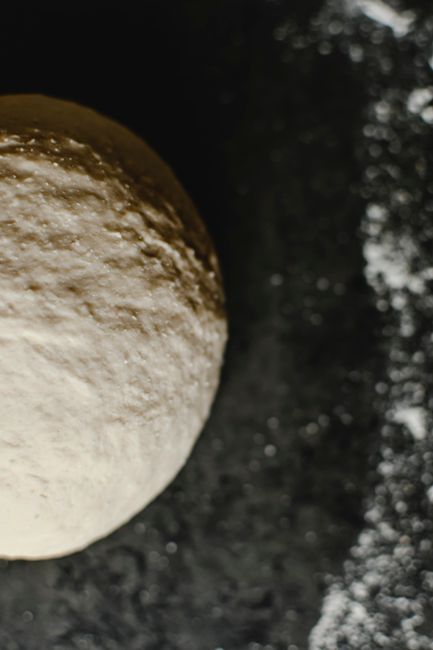
Pizza dough is a simple lean dough of flour, water, yeast, and salt, sometimes with a small amount of oil or sugar, that's fermented to develop flavor and structure before being stretched thin and baked hot. The dough is what actually separates good pizza from the best pizza: a well-fermented dough gives you a crust that's crisp on the outside, open and chewy inside, with a slightly sour, wheaty flavor that toppings alone can't fake.
Varieties
Neapolitan dough is high-hydration and cooked briefly at very high heat (often 800°F+), giving a soft, charred, pliable crust. New York-style dough uses a bit of oil and sugar and is baked at a lower temperature for a foldable, crisper slice. Sicilian and Detroit-style doughs are enriched and proofed in an oiled pan for a thick, focaccia-like base with a fried, crisp bottom.
Buying tips
If buying fresh dough, choose refrigerated balls over the shelf-stable canned kind for better texture and flavor. A dough that feels slightly tacky but not sticky, and has visible small bubbles under the surface, has fermented properly. Avoid dough that smells strongly of alcohol, which signals over-fermentation.
Substitutes
Store-bought fresh pizza dough (from a grocery store or pizzeria) — 1:1 by weight
The closest match in texture and rise since it's already fermented. Let it sit at room temperature 30-45 minutes before stretching so it isn't tight and elastic.
Naan or flatbread — 1 naan per personal-size pizza
Already cooked, so it needs less oven time (about 8-10 minutes at 450°F) and won't puff the same way, but it holds toppings well and needs no proofing.
Pita bread — 1 pita per small pizza
Thinner and crisper than dough-based crust; works best with lighter, less watery toppings so it doesn't go soggy.
Flour tortilla — 1 tortilla per personal pizza
Bakes very crisp and thin, closer to a cracker crust. Brush lightly with oil first and bake at 425°F for about 8 minutes before adding cheese to keep the center from getting soggy.
Refrigerated crescent or biscuit dough — 1 standard tube per one 12-inch pizza
Sweeter and more bread-like than traditional pizza dough, but works in a pinch for a quick weeknight version.
Cauliflower crust (store-bought or homemade) — 1:1 by size
Lower in carbohydrates and doesn't rise, so the texture is denser and slightly softer; par-bake it fully before topping to avoid a wet middle.
Storage
Raw dough keeps 3-5 days in the refrigerator in an oiled, covered container, and the flavor actually improves after the first 24 hours as it slowly ferments. For longer storage, portion into balls and freeze for up to 3 months; thaw overnight in the fridge, then let come to room temperature for an hour before stretching.
How to use
Beyond pizza, the same dough makes calzones, focaccia-style flatbreads, breadsticks, and garlic knots. A slightly wetter, higher-hydration version of the same dough is what gives Neapolitan-style crusts their signature leopard-spotted char and open crumb.
What it pairs with
Pairs with San Marzano-style crushed tomatoes, fresh mozzarella or low-moisture whole-milk mozzarella, fresh basil, and a finish of good olive oil. For the best pizza texture, keep total topping weight modest so the crust can crisp fully rather than steam under a pile of toppings.
Nutrition
A standard 12-inch pizza crust made from wheat flour dough provides roughly 150-200 calories per quarter, mostly from carbohydrates, plus a few grams of protein from the flour and yeast. Whole wheat versions add fiber; the nutritional profile of the finished pizza depends far more on toppings and cheese than on the crust itself.
FAQ
What actually makes the best pizza crust at home?
A cold, slow ferment (24-72 hours in the refrigerator) develops far more flavor than a same-day dough, and preheating a pizza stone or steel for at least 45 minutes gives the bottom enough heat to crisp before the toppings overcook.
Why does homemade pizza dough sometimes taste bland compared to a pizzeria's?
Most bland home dough hasn't fermented long enough. A short one-hour rise doesn't give the yeast time to produce the acids and byproducts that create real flavor; a longer cold rise fixes this without any extra ingredients.
Can pizza dough be over-proofed?
Yes. Over-proofed dough turns slack, tears easily when stretched, and bakes up dense with large uneven holes instead of an even, airy crumb. It usually happens when dough sits too long at warm room temperature rather than in the fridge.
Does the type of flour really change the pizza?
Yes. High-protein bread flour or Italian 00 flour produces a chewier, more structured crust that holds up to toppings, while all-purpose flour gives a softer, slightly more tender bite closer to a thin-crust style.
Have pizza dough on hand? Find recipes with our Recipe Generator →