
Raspberry Liqueur
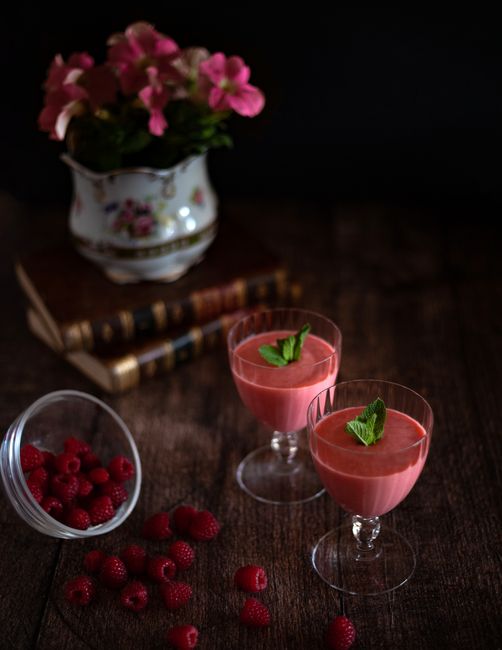
Raspberry liqueur is a sweetened, fruit-flavored spirit made by macerating or distilling raspberries with a neutral spirit or brandy base, then sweetening the result. Chambord, made in France from black raspberries, vanilla, and honey, is the best-known example, but the category also includes clear raspberry schnapps and drier raspberry eau-de-vie (framboise). Most bottled raspberry liqueurs run 15-20% ABV and are noticeably sweet, closer in texture to a syrup than to a straight spirit.
Varieties
Chambord and similar liqueurs are sweetened and often flavored with vanilla or honey. Raspberry schnapps is clearer, sharper, and simpler, made for mixing rather than sipping. Framboise is a true distilled eau-de-vie with little to no added sugar, giving a much drier, more intense raspberry character.
Buying tips
Chambord is the standard reference point and widely available, but check the label for sugar content since some raspberry liqueurs taste more like raspberry candy than fruit. Framboise, sold in smaller specialty bottles, is the better choice when a recipe wants raspberry flavor without heavy sweetness.
Substitutes
Framboise (raspberry eau-de-vie) — 1:1
Distilled rather than sweetened, so the flavor is drier and more intensely raspberry. Add a teaspoon of sugar per tablespoon used if the recipe depends on sweetness.
Crème de cassis (black currant liqueur) — 1:1
Similar sweetness and body, with a deeper, less bright berry flavor. Works well in cocktails and sauces where raspberry isn't the sole star.
Non-alcoholic raspberry syrup (like Torani or Monin) — 3:4
More concentrated and sugary with no alcohol bite, so use slightly less. Good for desserts, drizzles, and drinks for non-drinkers.
Raspberry extract plus simple syrup — 1/4 tsp extract + 2 tbsp simple syrup per 1 tbsp liqueur
Not a clean single-ratio swap since two ingredients replace one, but it gets close to the flavor and sweetness without alcohol.
Raspberry schnapps — 1:1
Sharper, less complex, and usually cheaper than Chambord-style liqueurs, but a fine stand-in in cocktails where cost matters more than depth.
Storage
Unopened, raspberry liqueur keeps for years in a cool, dark cabinet thanks to its sugar and alcohol content. Once opened, it doesn't need refrigeration but keeps its fresh fruit flavor longer if chilled or refrigerated after use; expect noticeably duller flavor after about a year open at room temperature.
How to use
Splash into sparkling wine for a Kir Royale, stir into vinaigrettes for a fruity edge, drizzle over cheesecake or vanilla ice cream, brush into cake soaks, or reduce with balsamic vinegar as a sauce base for duck or pork.
What it pairs with
Pairs well with dark chocolate, vanilla, sparkling wine, goat cheese, and roasted poultry or pork where a touch of fruit sweetness balances richness.
Nutrition
A tablespoon of a typical raspberry liqueur runs around 60-70 calories, almost entirely from sugar and alcohol, with no protein or fat. Drier options like framboise carry less sugar but still contribute calories from alcohol.
FAQ
Is raspberry liqueur the same as raspberry schnapps?
No. Schnapps is typically clearer, sharper, and less complex, made for cheap mixing, while liqueurs like Chambord are sweeter, thicker, and often blended with vanilla or honey notes.
How much alcohol is in raspberry liqueur?
Most bottled raspberry liqueurs, including Chambord, sit between 15% and 20% ABV, lower than a straight spirit but higher than wine.
Can I substitute raspberry jam for raspberry liqueur?
In a pinch, thin a tablespoon of seedless raspberry jam with a teaspoon of water or lemon juice, but it lacks the alcohol's aroma and won't work in cocktails that rely on that lift.
Does raspberry liqueur need to be refrigerated after opening?
No, the sugar and alcohol content keep it stable at room temperature, though refrigerating it after opening slows flavor fading over many months.
Have raspberry liqueur on hand? Find recipes with our Recipe Generator →