
Sotol
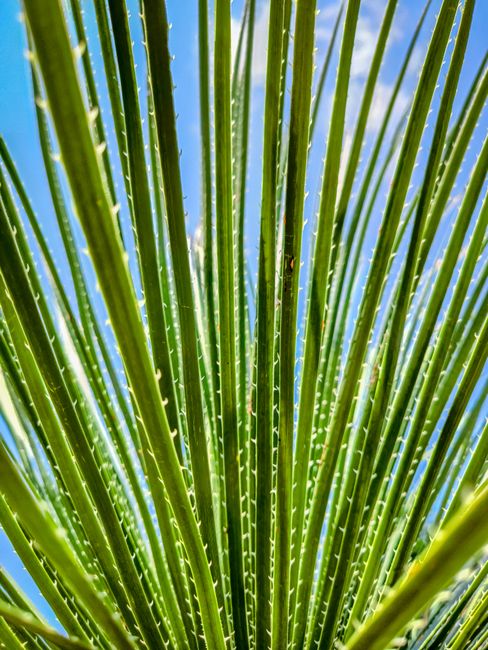
Sotol is a distilled spirit made from the Dasylirion plant, commonly called desert spoon, which grows wild in the Chihuahuan Desert of northern Mexico. Despite looking like an agave, Dasylirion is botanically unrelated, giving sotol a flavor profile that's earthier, grassier, and more mineral-driven than tequila or mezcal. It's traditionally produced in Chihuahua, Durango, and Coahuila, and carries its own denomination of origin separate from agave spirits.
Varieties
Sotol is sold unaged (blanco), rested (reposado), and aged (anejo), similar to tequila's classification. Blanco is grassiest and most vegetal; anejo mellows into notes closer to whiskey or brandy from time in oak barrels.
Buying tips
Look for bottles labeled with the Denominacion de Origen Sotol seal, which confirms it's made from wild or cultivated Dasylirion in the designated regions. Bottles labeled 'silvestre' come from wild-harvested plants and tend to have more complex, varied flavor than mass-produced versions.
Substitutes
Blanco (silver) tequila — 1:1
Closest widely available swap for cocktails; sweeter and less vegetal than sotol, so add a pinch of salt or extra lime to compensate.
Joven mezcal — 1:1
Brings back some of the smoky, earthy complexity sotol has, though the smoke flavor is more pronounced than sotol's natural mineral note.
Blanco rum — 1:1
Neutral stand-in when neither agave spirit is available; loses the herbal, desert-plant character entirely but works structurally in a mixed drink.
Dry white wine (non-alcoholic cooking use only) — 3:4
For deglazing or pan sauces where sotol is called for in small amounts, wine mimics the acidity but not the spirit's body; use slightly less.
Storage
Unopened, sotol keeps indefinitely in a cool, dark cabinet away from direct sunlight. Once opened, it doesn't spoil like wine, but flavor can dull after a year or more of air exposure, so reseal the cap tightly after each pour and store upright.
How to use
Sotol is sipped neat or over ice, used in place of tequila or mezcal in cocktails like margaritas and palomas, and increasingly appears in savory marinades for grilled meats or as a finishing splash in pan sauces for pork and chicken. A small amount stirred into salsas or ceviche adds a sharp, herbal lift.
What it pairs with
Pairs well with grilled meats, smoked chiles, lime, and citrus-forward cocktails. Its earthy edge also complements dishes built around roasted vegetables or charred corn.
Nutrition
Like other distilled spirits, sotol contains no fat, carbs, or sugar; calories come entirely from alcohol, roughly 65-95 calories per 1.5-ounce shot depending on proof.
FAQ
Is sotol the same as mezcal or tequila?
No. Tequila and mezcal are made from agave plants, while sotol comes from Dasylirion, a desert spoon plant that isn't an agave at all, giving it a distinct earthy, grassy flavor.
Can sotol be used in a margarita?
Yes, it's a common tequila substitute in margaritas. Because sotol is less sweet and more vegetal, many bartenders add a touch more agave syrup or triple sec to balance it.
Does sotol need to be aged to taste good?
No. Blanco (unaged) sotol is the most traditional style and prized for its raw, mineral character; aging in oak is a more modern practice aimed at softening that intensity.
Have sotol on hand? Find recipes with our Recipe Generator →