
Taco Spaghetti
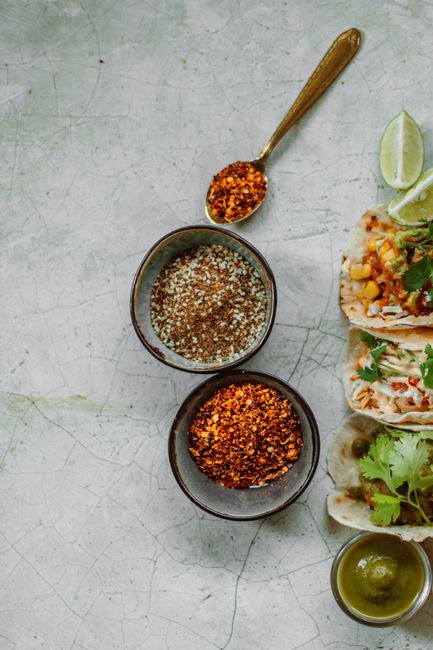
Taco spaghetti is a one-pot dinner that swaps taco filling into spaghetti instead of a tortilla: ground beef seasoned with taco spices, simmered with tomatoes, broth, and pasta until the noodles cook right in the sauce and soak up the flavor. It's built like a cross between chili mac and a taco casserole, usually finished with melted cheese and classic taco toppings like sour cream, diced tomato, or crushed tortilla chips.
Varieties
Some versions bake the finished skillet under broiler heat for a few minutes to crisp the cheese on top, closer to a casserole than a stovetop dish; others use a can of enchilada sauce in place of taco seasoning and tomatoes for a deeper, more chile-forward flavor.
Buying tips
Check the taco seasoning packet's sodium content before buying; some brands run twice the salt of others for the same size packet. For canned tomatoes, fire-roasted or 'with green chiles' varieties add flavor without extra prep.
Substitutes
Ground turkey or chicken (for ground beef) — 1:1
Leaner and blander on its own, so add an extra teaspoon of taco seasoning and a splash of oil to keep the sauce from tasting thin.
Rotisserie chicken, shredded (for ground beef) — 1:1 by weight, added at the end
Skips the browning step entirely; stir it in during the last 5 minutes just to heat through so it doesn't dry out.
Homemade taco seasoning (for packet seasoning) — 2 tablespoons per 1-ounce packet
Mix chili powder, cumin, paprika, garlic powder, onion powder, and a pinch of cayenne; lets you control salt and heat directly.
Penne or rotini (for spaghetti) — 1:1 by weight
Short shapes hold the sauce in their ridges and curves better than long strands, which can clump.
Fire-roasted diced tomatoes (for regular diced tomatoes) — 1:1
Adds a smoky depth that plain canned tomatoes don't have, closer to a taco truck flavor.
Monterey Jack or Colby-Jack (for cheddar) — 1:1
Melts a bit softer and milder than cheddar, so it blends into the sauce rather than sitting on top.
Storage
Refrigerate leftovers in an airtight container for up to 4 days. The pasta keeps absorbing liquid as it sits, so add a splash of broth or water when reheating on the stove or in the microwave to loosen the sauce back up.
How to use
Serve straight from the skillet topped with shredded cheese, diced tomato, shredded lettuce, sliced jalapeño, sour cream, or crushed tortilla chips for crunch. Leftovers work well stuffed into a warm tortilla or spooned over a bed of lettuce as a taco salad.
What it pairs with
Pairs well with a simple green salad with lime vinaigrette, Mexican street corn, or a side of black beans to round out the meal without competing with the sauce's spice.
Nutrition
A standard beef-and-cheddar version runs high in protein but also in sodium from the taco seasoning and canned tomatoes; using low-sodium broth and tomatoes and a lean protein brings the sodium and fat down noticeably without changing the flavor much.
FAQ
Can taco spaghetti be made ahead?
Yes, but the pasta will keep absorbing liquid as it sits, so undercook it by a minute or two if assembling more than an hour before serving, and stir in extra broth before reheating.
Can it be frozen?
It freezes reasonably well for up to 2 months, though the pasta softens further on thawing; freezing the meat sauce separately from cooked pasta and combining fresh keeps the texture better.
Why did the sauce turn out too thick or dry?
This usually means the pasta cooked in too little liquid or sat too long before serving; stir in warm broth or water a quarter cup at a time until the sauce loosens back to a pourable consistency.
Is taco spaghetti spicy?
As written it's mild to medium, coming mostly from standard taco seasoning; heat is easy to dial up with diced jalapeño, a spoon of adobo sauce, or a hotter blend of taco seasoning.
Have taco spaghetti on hand? Find recipes with our Recipe Generator →