
Tamarind Candy
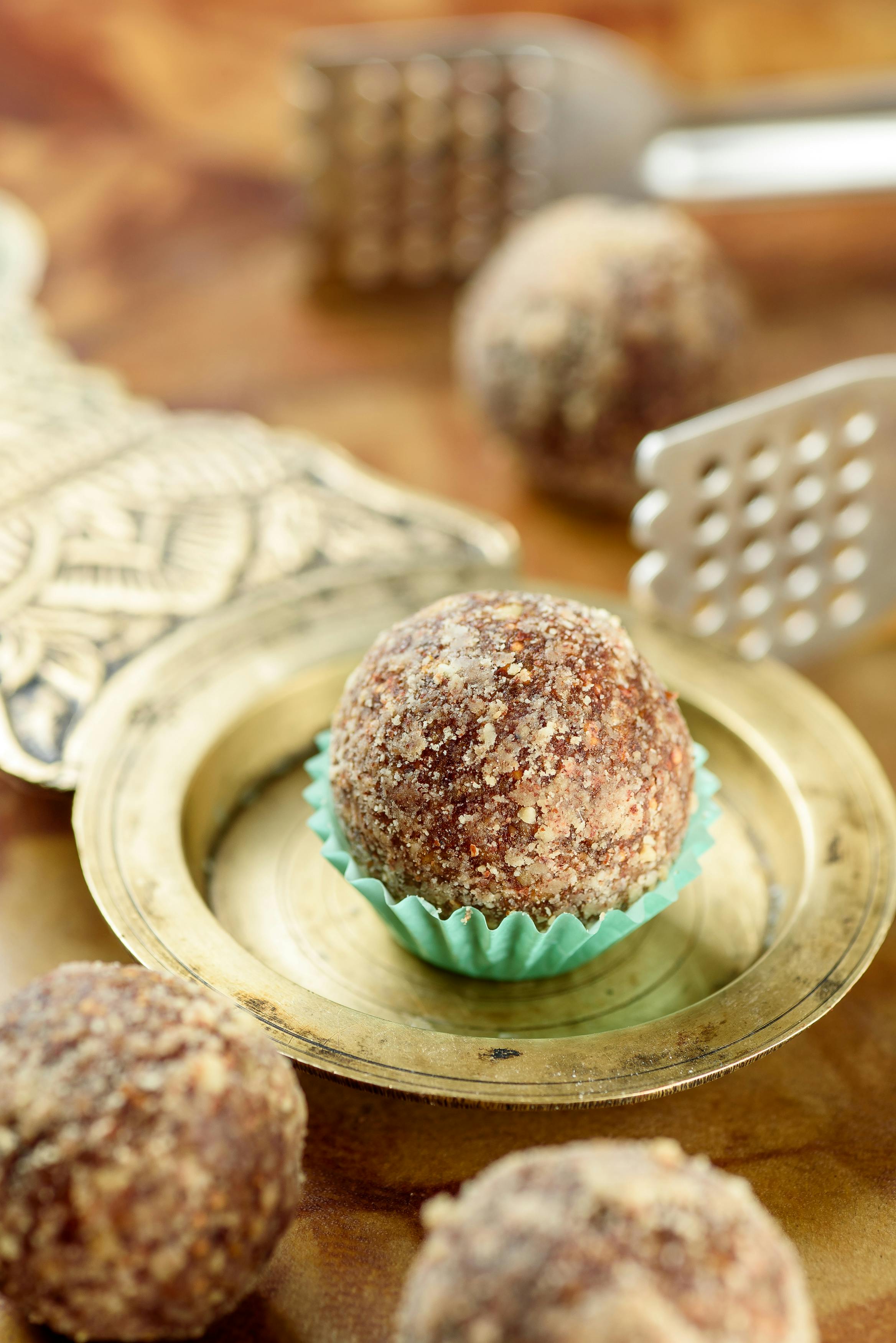
Tamarind candy is a sweet-sour-spicy confection made by mashing tamarind pulp with sugar, salt, and often chili powder, then pressing the mixture into bars, balls, or pellets. It shows up under different names and formulas around the world: Pulparindo and similar bars in Mexico lean salty and spicy, imli candy in India and Pakistan is usually sweeter and milder, and versions sold in Thailand and the Philippines skew closer to plain sweet-tart fruit candy. The base flavor in all of them comes from tamarind's natural tang, which sugar and salt are added to balance rather than cover up.
Varieties
Mexican tamarind candy (Pulparindo and similar) is typically the saltiest and spiciest, often coated in chili powder. Indian and Pakistani imli candy tends to be sweeter and softer, sometimes flavored with cumin or black salt instead of chili. Thai and Filipino tamarind candies are usually the mildest, closer to a plain sweet-tart fruit chew with little to no heat.
Buying tips
Check the ingredient list and country of origin before buying, since some imported tamarind candies (particularly certain Mexican brands sold loose or in unregulated packaging) have been flagged in the past for lead contamination traced to processing equipment or added chili powder; buying sealed, labeled packages from established brands avoids this. Squeeze the package gently if possible: candy that feels rock-hard through the wrapper is likely old and will be difficult to dissolve or chew.
Substitutes
Tamarind paste mixed with sugar and chili-salt — 1 tablespoon tamarind paste + 1 teaspoon sugar + a pinch of chili-salt per piece of candy replaced
Closest homemade match for flavor and texture when melting candy into a sauce or drink. Adjust sugar and chili to taste since brands vary widely in sweetness and heat.
Store-bought sweetened tamarind pulp or paste (jarred, unsalted) — 1 tablespoon jarred sweetened pulp per piece of candy (about 20g)
Milder and less salty than most packaged candies, so recipes relying on the salty-spicy edge will taste flatter unless salt or chili is added separately.
Chamoy paste or sauce — 1 teaspoon chamoy per piece of candy, adjusted to taste
Chamoy brings similar sweet-sour-spicy notes but adds vinegar and often apricot or plum flavor not present in tamarind candy, so it works for drinks and rimming salt but changes the flavor of sauces built around straight tamarind.
Storage
Keep wrapped tamarind candy in a cool, dry place away from humidity, which makes it turn sticky, clump, or grow mold on the surface. Sealed packages last several months at room temperature. In humid climates, store opened candy in an airtight container in the refrigerator, where it firms up but softens again within a few minutes at room temperature.
How to use
Eaten straight as a sweet-sour-spicy snack, dissolved in hot or cold water to make tamarind agua fresca, melted down into chamoy-style sauces for fruit and micheladas, crumbled over mango, watermelon, or jicama with chili-lime seasoning, and stirred into marinades or glazes where a tangy, slightly funky sweetness is wanted.
What it pairs with
Pairs well with mango, pineapple, watermelon, and jicama dusted with chili-lime seasoning, with Mexican beer in micheladas, with spicy roasted peanuts, and with mezcal or tequila cocktails that already lean sweet-sour.
Nutrition
Tamarind candy is mostly sugar; a typical 20g piece runs 55 to 70 calories with 12 to 16 grams of carbohydrate and little to no protein or fat. Spicier, saltier versions like Pulparindo can carry 150 to 250mg of sodium per piece. Fresh tamarind pulp has notable vitamin C, but by the time it's processed into candy with this much added sugar, the vitamin content is negligible.
FAQ
Is tamarind candy the same as tamarind paste?
No. Tamarind paste is unsweetened or lightly processed pulp used in cooking, while tamarind candy has added sugar, salt, and often chili, and is meant to be eaten as a snack rather than as a cooking base.
Why does some tamarind candy come with a warning label?
A handful of imported brands have been recalled or flagged in the past over trace lead contamination, usually linked to processing equipment or contaminated chili powder used in the coating. Sealed, brand-name packaging from major retailers has not had the same issues.
Can tamarind candy be made at home?
Yes. Mash seedless tamarind pulp with sugar, a little salt, and chili powder to taste, then press into small rounds or bars and let them air-dry for a few hours until firm enough to handle.
Why is tamarind candy sometimes sour and sometimes very sweet?
It depends on the ratio of tamarind pulp to sugar and how ripe the tamarind was before processing; unripe tamarind pulp is more acidic and needs more sugar to balance, while riper pulp is naturally sweeter to start.
Have tamarind candy on hand? Find recipes with our Recipe Generator →