
White Negroni
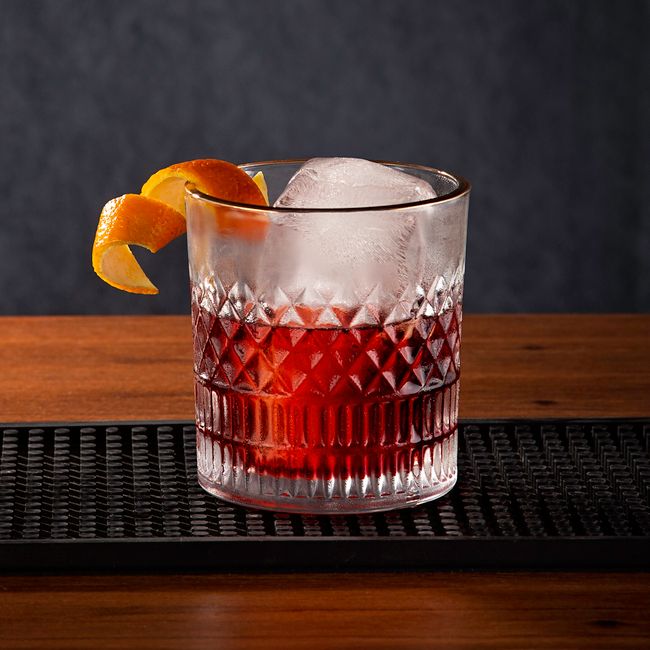
A White Negroni is a variation on the classic Negroni that keeps the gin but swaps out the two dark ingredients. Campari is replaced with Suze, a French gentian-root liqueur, and sweet vermouth is replaced with Lillet Blanc, a lightly sweet aromatized wine. The result is a pale, herbal, less bitter cocktail with the same stirred, equal-parts structure as the original. It was created around 2001 by British bartender Wayne Collins during a wine festival in Bordeaux, using Suze and Lillet Blanc because they were the local bottles on hand.
Varieties
A White Negroni Sbagliato replaces the gin with sparkling wine for a lighter, lower-proof version. Some bartenders call any version made with Cocchi Americano instead of Lillet Blanc a 'Negroni Bianco,' since the added bitterness sets it apart from the original White Negroni recipe.
Buying tips
Suze is the hardest bottle to find; check well-stocked liquor stores or specialty spirits shops before substituting. Lillet Blanc is widely available at most liquor stores near the vermouth and aperitif section. Use a London dry gin with a clean juniper backbone rather than a heavily botanical or citrus-forward gin, which can clash with Suze's bitterness.
Substitutes
Salers Aperitif (in place of Suze) — 1:1
Same gentian base as Suze but a touch sweeter and less intensely bitter; closest substitute in both color and flavor.
Bonal Gentiane-Quina (in place of Suze) — 1:1
Softer and more herbal with a faint quinine note; makes a rounder, less sharply bitter White Negroni.
Cocchi Americano (in place of Lillet Blanc) — 1:1
More bitter and quinine-forward than Lillet Blanc, so the drink shifts closer in bitterness to a standard Negroni.
Dry white vermouth plus a dash of orange bitters (in place of Lillet Blanc) — 1:1 vermouth, plus 1 dash bitters per serving
Loses some of Lillet Blanc's honeyed sweetness, so the orange bitters help fill in the aromatic gap.
Storage
Gin and Suze are high enough in alcohol to keep indefinitely at room temperature away from direct light. Lillet Blanc is wine-based and should be recorked and refrigerated after opening; it stays good for 4 to 6 weeks before its fruit notes fade and it starts tasting flat.
How to use
Combine equal parts gin, Suze, and Lillet Blanc (typically 1 ounce each) in a mixing glass with ice, stir for about 20 seconds until well-chilled and slightly diluted, and strain over a large ice cube. Garnish with a lemon twist or grapefruit peel expressed over the top. It also works built as a spritz-style tall drink topped with soda water for a lower-proof option.
What it pairs with
Works well as a pre-dinner drink alongside salty snacks like Marcona almonds and olives, oysters, or a plate of soft cheese. The bitterness also cuts through fatty foods like pâté or fried appetizers.
Nutrition
A standard three-ounce build made with equal parts gin, Suze, and Lillet Blanc runs around 180 to 200 calories, similar to a classic Negroni since all three components are alcoholic and none are mixers.
FAQ
How does a White Negroni taste different from a regular Negroni?
It's less bitter and less sweet overall, with a drier, more herbal and citrus-peel character from the Suze, instead of the deep, bittersweet orange-and-caramel flavor Campari and sweet vermouth give a classic Negroni.
Can you make a White Negroni without Suze?
Yes, Salers Aperitif or Bonal Gentiane-Quina both work as substitutes since they share the same gentian-root bitterness; the drink will taste slightly sweeter or softer depending on which one is used.
What's the correct ratio for a White Negroni?
Equal parts gin, Suze, and Lillet Blanc, usually 1 ounce of each, stirred over ice and strained. Some bartenders use a 1:1:0.75 gin-to-Suze-to-Lillet ratio for a slightly drier drink.
Is a White Negroni stronger than a regular Negroni?
Roughly the same. Suze is about 20% ABV and Lillet Blanc is about 17% ABV, close to Campari's 24% and sweet vermouth's 16%, so the overall alcohol content of the finished drink is nearly identical.
Have white negroni on hand? Find recipes with our Recipe Generator →