
Yellowtail Snapper
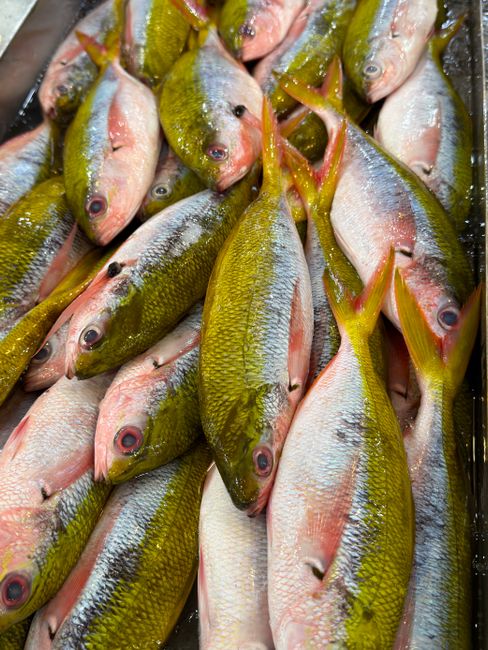
Yellowtail snapper (Ocyurus chrysurus) is a slender, brightly colored reef fish found in warm Atlantic waters from Florida through the Caribbean and Gulf of Mexico. It's prized for thin, delicate fillets with a mild, sweet flavor and fine, moist flake, making it one of the most popular fish in South Florida and Keys cooking. Despite the shared name, it has no relation to yellowtail tuna (hamachi/buri) used in sushi, which is a completely different species.
Varieties
Yellowtail snapper is frequently confused with yellowtail (hamachi or buri), the amberjack species used raw in sushi and sashimi. The two share a name but are unrelated fish from different families with very different textures: yellowtail snapper is a mild, flaky white fish typically cooked, while yellowtail amberjack is a fattier, richer fish most often served raw.
Buying tips
Whole fish should have clear, bulging eyes, bright red gills, and firm flesh that springs back when pressed, with a clean, briny smell rather than a strong fishy odor. Fillets should look moist and slightly translucent, not chalky or dull, and should not be sitting in pooled liquid, which signals age or improper thawing.
Substitutes
Mangrove snapper (gray snapper) — 1:1 by weight
Slightly firmer texture and a touch more mineral flavor, but close enough for pan-frying or grilling whole.
Red snapper — 1:1 by weight
Meatier and slightly sweeter with thicker fillets; adjust cook time up by a minute or two per side.
Mahi-mahi — 1:1 by weight
Firmer, leaner flesh with a milder ocean flavor; holds up better to grilling than delicate yellowtail fillets.
Flounder or sole — 1:1 by weight
Thinner and more delicate than yellowtail snapper, so it cooks even faster; best for pan-searing, not grilling.
Grouper — 1:1 by weight
Denser and more substantial in texture; a good stand-in for baked or blackened preparations but loses the light, flaky quality.
Tilapia — 1:1 by weight
Much blander and softer; workable in a pinch for breaded or fried preparations where sauce carries the flavor.
Storage
Store fresh yellowtail snapper on ice or in the coldest part of the refrigerator, wrapped loosely in butcher paper, and use within 1-2 days. To freeze, wrap fillets tightly in plastic then foil, or vacuum seal, and use within 3 months; thaw overnight in the refrigerator, never at room temperature.
How to use
Its thin fillets are best pan-fried or pan-seared skin-side down for a crisp finish, since the flesh cooks through in just a few minutes and dries out quickly under high, prolonged heat. Whole yellowtail snapper is traditionally scored and fried whole in Florida Keys cooking, or baked with garlic, lime, and olive oil. It also works well steamed, broiled, or lightly breaded and sauteed, as in the classic snapper francese with lemon-butter sauce.
What it pairs with
Pairs well with citrus (lime, lemon, orange), garlic, capers, white wine, and butter, as well as tropical fruit salsas made with mango or pineapple. Classic Caribbean and Florida sides include black beans and rice, plantains, and a simple mojo sauce.
Nutrition
A lean, high-protein white fish that's low in fat and calories, yellowtail snapper provides a modest amount of omega-3 fatty acids along with selenium, vitamin B12, and potassium.
FAQ
Is yellowtail snapper the same fish as yellowtail tuna or hamachi?
No. Yellowtail snapper (Ocyurus chrysurus) is a true snapper species, while yellowtail tuna, hamachi, and buri all refer to yellowtail amberjack, a completely different fish typically served raw in sushi.
Can you eat the skin on yellowtail snapper?
Yes. The skin is thin and crisps up nicely when pan-seared skin-side down in a hot, lightly oiled pan for 3-4 minutes before flipping.
Why does yellowtail snapper fall apart when I cook it?
The fillets are thin and delicate, so they overcook fast, usually in under 5 minutes per side at medium-high heat. Use a thin, flexible fish spatula and flip only once.
How can I tell if yellowtail snapper was previously frozen?
Previously frozen fillets often look slightly translucent at the edges and release more liquid when cooked; this doesn't affect safety, only slightly reduces the firmness of the finished texture.
Have yellowtail snapper on hand? Find recipes with our Recipe Generator →