
Gin and Tonic Recipe
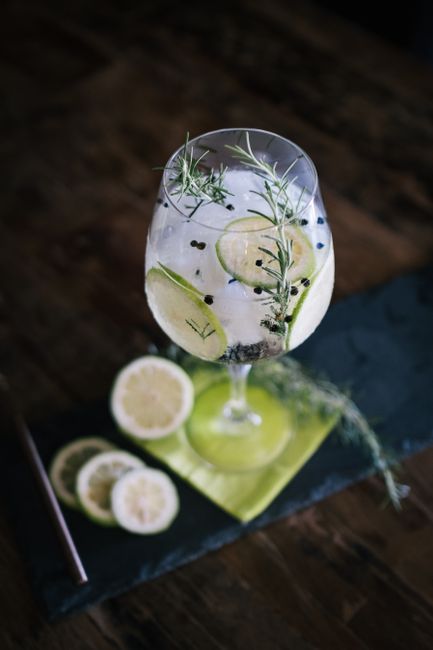
A 1:2 ratio of gin to tonic keeps the botanicals in the gin from getting buried, and building the drink over full ice with the tonic poured last preserves the carbonation that makes a G&T taste crisp instead of flat.
- Prep
- 5 min
- Cook
- 0 min
- Total
- 5 min
- Servings
- 1
Ingredients
- 2 fl oz gin
- 4 fl oz tonic water
- 1 wedge lime, cut into a wedge
- 1 cup ice cubes
Nutrition per serving
- Calories
- 382
- Protein
- 0g
- Carbs
- 45g
- Fat
- 0g
Based on the recipe as written, one serving. Recalculates if you swap an ingredient above. An estimate only, exact values depend on the specific ingredients used.
Need different units or a different yield? Try our Conversion Calculator →
Instructions
- 1Fill a highball or Collins glass completely with ice cubes, right up to the rim.
- 2Pour the gin over the ice.
- 3Slowly top with the tonic water, pouring it down the side of the glass rather than straight down the middle.
- 4Give the drink one gentle stir with a bar spoon, just enough to combine without knocking out the carbonation.
- 5Squeeze the lime wedge over the top and drop it into the glass, then serve immediately.
Tips & variations
- Use a full-sugar tonic water like Fever-Tree or Schweppes for a rounder flavor; diet tonics taste noticeably more bitter and thin against the gin.
- Match the gin to the tonic: a citrus-forward London dry gin pairs well with a classic tonic, while a floral or herbal gin works better with an elderflower or Mediterranean-style tonic.
- Swap the lime for a lemon wedge if the gin leans more juniper-forward than citrus-forward; lemon plays up different botanicals than lime does.
- For a lower-alcohol version, cut the gin to 1.5 ounces and keep the tonic the same, which stretches the drink without watering it down.
Storage & reheating
A gin and tonic is meant to be mixed and served immediately; it doesn't hold or store well since the ice dilutes it and the tonic goes flat within 10 to 15 minutes. If prepping for a crowd, keep the gin, tonic, and garnishes chilled and separate, then build each glass to order.
Tips from the Tulo kitchen
- Chilling the glass in the freezer for a few minutes before building the drink keeps the ice from melting as fast once the gin and tonic go in.
- Buying tonic water in smaller bottles or cans instead of a large 1-liter bottle keeps every pour fully carbonated instead of flat by the third drink.
FAQ
What is the correct ratio of gin to tonic?
A standard ratio is 1 part gin to 2 parts tonic, for example 2 ounces of gin to 4 ounces of tonic. Some bartenders use a 1:1 ratio for a stronger, less diluted drink.
Should tonic water be added before or after the gin?
Add the gin first, then the tonic. Pouring the tonic last and down the side of the glass keeps more of its carbonation intact.
Why does my gin and tonic taste flat?
This usually means the tonic water has lost carbonation, either from an older opened bottle or from stirring too vigorously after mixing. Use a fresh bottle and stir gently.
Does the type of gin actually matter?
Yes. London dry gins are more juniper- and citrus-forward and pair well with classic tonics, while contemporary or floral gins can get lost under a heavily bittered tonic, so a lighter Mediterranean-style tonic suits them better.