Ponzu Sauce Recipe
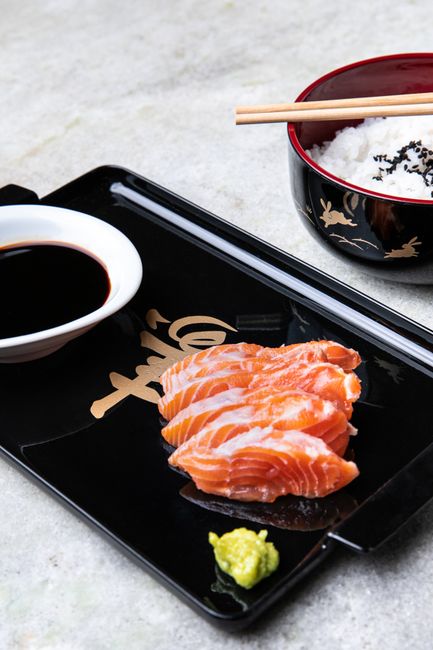
Steeping kombu and bonito flakes directly in the soy sauce, vinegar, and citrus mixture pulls out glutamates and inosinate, the two compounds behind savory depth, so the sauce tastes rounder and less sharply acidic than just whisking the liquids together.
- Prep
- 10 min
- Cook
- 0 min
- Total
- 1 day
- Servings
- 16
Ingredients
- 1/2 cup soy sauce
- 1/4 cup rice vinegar
- 1/4 cup fresh citrus juice (yuzu, or a mix of lemon and lime)
- 2 tablespoons mirin
- 1 piece kombu (dried kelp), one 2-inch piece
- 1/4 cup, loosely packed bonito flakes (katsuobushi)
Nutrition per serving
- Calories
- 12
- Protein
- 1g
- Carbs
- 2g
- Fat
- 0g
Based on the recipe as written, one serving. Recalculates if you swap an ingredient above. An estimate only, exact values depend on the specific ingredients used.
Need different units or a different yield? Try our Conversion Calculator →
Instructions
- 1In a glass jar or non-reactive bowl, combine the soy sauce, rice vinegar, citrus juice, and mirin.
- 2Add the kombu piece and the bonito flakes directly into the liquid.
- 3Cover and refrigerate for at least 4 hours, or up to 24 hours for a deeper, more rounded flavor.
- 4Strain the mixture through a fine-mesh sieve lined with cheesecloth into a clean jar, pressing on the kombu and bonito flakes to extract as much liquid as possible before discarding them.
- 5Taste and adjust: whisk in a little more citrus juice for brightness or a splash more soy sauce for saltiness.
- 6Store airtight in the refrigerator and shake or stir before each use, since the layers can separate slightly.
Tips & variations
- Real yuzu juice gives the most authentic floral-tart flavor, but a fresh lemon and lime juice mix in equal parts is the closest common substitute and works well.
- For a spicy version, whisk in a teaspoon of rayu (Japanese chili oil) or a pinch of togarashi after straining.
- Double or triple the batch; strained ponzu keeps for weeks and is worth having on hand as a everyday dipping sauce and dressing base.
- Skip the bonito flakes for a vegetarian version; the sauce will be lighter and more purely citrus-forward but still savory from the kombu and soy sauce.
Storage & reheating
Store strained ponzu in an airtight jar in the refrigerator for up to 1 month. No reheating needed; it's served cold or at room temperature. Give it a shake before using since the citrus oils can separate on top.
Tips from the Tulo kitchen
- A coffee filter works in place of cheesecloth if you don't have any on hand, it strains just as fine.
- Freshly squeezed citrus juice makes a real difference over bottled here, since the sauce has so few ingredients that any off flavor in the juice comes through directly.
FAQ
What is ponzu sauce used for?
It's a versatile dipping and dressing sauce in Japanese cooking, common with sashimi, shabu-shabu, gyoza, grilled fish, and as a light salad dressing base when mixed with a little oil.
Is ponzu the same as soy sauce?
No. Soy sauce is one ingredient in ponzu, but ponzu also includes citrus juice, vinegar, and usually kombu and bonito, giving it a tart, savory flavor that plain soy sauce doesn't have.
Can I make ponzu without bonito flakes?
Yes, the sauce will just be lighter and more citrus-driven rather than deeply savory. Kombu alone still contributes real umami, so the sauce won't taste flat.
How long does homemade ponzu last?
Up to 1 month refrigerated in an airtight container, since the soy sauce and vinegar act as natural preservatives once the kombu and bonito are strained out.
Can I substitute bottled lemon juice for fresh?
It will work in a pinch, but bottled juice often tastes flatter and more acidic than fresh, and this sauce has so few ingredients that the difference is noticeable.