
Mexican Oregano
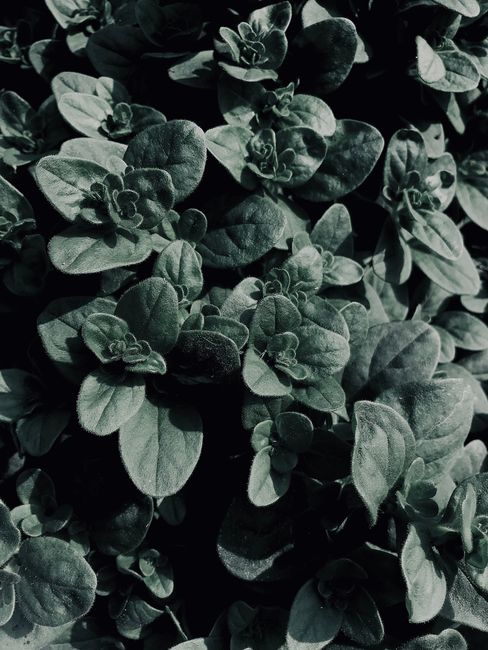
Mexican oregano (Lippia graveolens) isn't related to Mediterranean oregano at all, it's a different plant entirely, in the verbena family rather than the mint family. It has a bolder, earthier flavor with citrus and mild licorice undertones, and it holds up better to long-simmered, spicy dishes without disappearing. It's the oregano used in most Mexican, Tex-Mex, and Southwestern cooking, showing up in chili powder blends, adobo, birria, and pinto beans.
Varieties
True Mexican oregano (Lippia graveolens) is sometimes confused with Cuban oregano (Plectranthus amboinicus), a fuzzy-leafed succulent herb with a much stronger, almost menthol flavor used mostly fresh in Caribbean and Filipino cooking; the two are not interchangeable.
Buying tips
Look for Mexican oregano at Latin grocery stores, often sold in larger, cheaper bags than the small jars at conventional supermarkets. Check that the leaves are dark green to olive, not brown or dusty, which signals age.
Substitutes
Mediterranean (Greek or Turkish) oregano — 1:1
Milder and more floral, lacks the citrus note, but works fine in most bean, meat, and chili recipes in a pinch.
Marjoram — 1:1
Sweeter and more delicate; best in milder dishes where Mexican oregano's earthiness isn't the star.
Epazote — 1:2 (use half as much)
Not a flavor match, but shares the role of an assertive herb in Mexican bean dishes; use sparingly since it's much stronger and more medicinal.
Cumin plus a pinch of dried thyme — use 3/4 the amount of cumin, plus a small pinch of thyme
An emergency combination for chili and taco seasoning; won't replicate the citrus note but restores some earthy depth.
Storage
Keep dried Mexican oregano in a sealed jar away from light and heat; it holds good flavor for about a year, though it starts fading noticeably after that. Buy whole dried leaves rather than pre-ground when possible and crumble them just before use for more potent flavor.
How to use
Crumble dried leaves between your fingers before adding to release the oils, and add early in cooking for beans, braises, and chili so the flavor has time to infuse. It's essential in birria, pozole, menudo, and most homemade taco or chili seasoning blends, and it's traditionally rubbed into meat along with cumin and garlic before grilling.
What it pairs with
Pairs naturally with cumin, garlic, dried chiles, and lime, and complements pork, beef, black beans, and pinto beans particularly well.
Nutrition
Used in small quantities, it contributes negligible calories but carries antioxidant compounds similar to other oregano species, along with trace amounts of iron and manganese.
FAQ
Is Mexican oregano spicier than regular oregano?
It's not spicy in the chile-heat sense, but it has a bolder, more assertive flavor with citrus and slight licorice notes that read as more intense than Mediterranean oregano.
Can I grow Mexican oregano at home?
Yes, it's a drought-tolerant shrub that does well in hot, dry climates and containers; it needs well-drained soil and doesn't tolerate frost.
Does Mexican oregano work in Italian dishes?
It can, but its stronger citrus-forward flavor is noticeable in tomato sauces and can taste out of place; Mediterranean oregano is the better match for Italian cooking.
Why do so many chili powder blends use Mexican oregano specifically?
Its earthy, slightly bitter flavor stands up well against the heat and smokiness of dried chiles, whereas milder Mediterranean oregano tends to get lost in the mix.
Have mexican oregano on hand? Find recipes with our Recipe Generator →