
Purple Rice
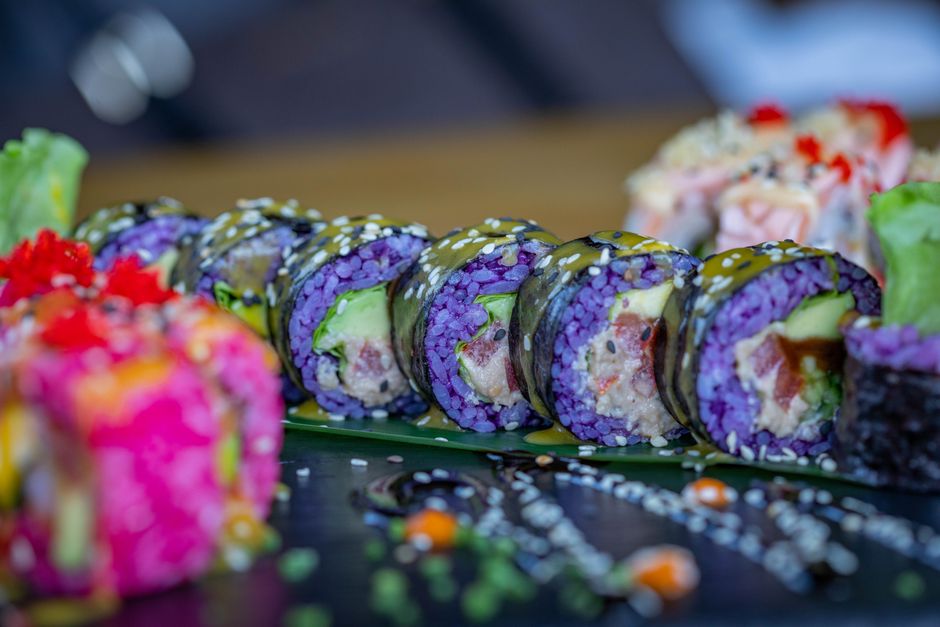
Purple rice is most often a variety of glutinous (sticky) rice, commonly called black glutinous rice or black sticky rice, whose grains look nearly black when raw but turn a deep violet-purple once cooked. The color comes from anthocyanin pigments concentrated in the bran layer, the same pigment family found in blueberries and purple cabbage. It's a staple across Thailand, Laos, and parts of southern China, most familiar outside Southeast Asia as the base for purple sticky rice with mango. Some rice sold as "purple rice" is a commercial blend of black glutinous rice and white glutinous rice, milled together to lighten the color and soften the chew.
Varieties
Glutinous purple rice (sticky, used mostly in desserts) is a different animal from non-glutinous "forbidden rice" or black rice, which stays separate and chewy like brown rice and is used in savory cooking. Many bags sold simply as "purple rice" in Western grocery stores are actually a milled blend of black and white glutinous rice rather than a single heirloom variety.
Buying tips
Look for grains that are deep black to dark purple and glossy, not dull or chalky white on the surface, which signals age or breakage. Bags labeled "black glutinous rice," "black sticky rice," or "purple sticky rice" from Thai or Lao brands are reliable; avoid rice that looks artificially uniform in color, which may be dyed white rice rather than a true pigmented variety.
Substitutes
Black glutinous rice (black sticky rice) — 1:1
Often the exact same grain sold under a different label; this is the closest possible substitute in color, stickiness, and flavor.
Black glutinous rice blended with white sticky rice — 1:1
Use a 50/50 mix if you want a lighter purple color and softer, less chewy texture, which is how many packaged "purple rice" products are actually made.
Forbidden rice (black, non-glutinous) — 1:1
Turns a similar deep purple when cooked but stays separate and chewy rather than sticky, since it lacks the glutinous starch. Better for savory rice bowls than desserts.
Red glutinous rice — 1:1
Sticky texture like purple rice but a rust-red color and slightly nuttier, less sweet flavor. Works in the same desserts with a different look.
White sticky rice tinted with purple sweet potato or butterfly pea flower — to taste
Mashed purple sweet potato or steeped butterfly pea flower added to cooked white sticky rice mimics the color but not the earthy, slightly nutty flavor of true black rice; use for visual effect only.
Storage
Store uncooked purple rice in an airtight container in a cool, dark pantry for up to a year; the bran layer holds up better than brown rice's does, but flavor is still best within six months. Refrigerate cooked purple rice in a sealed container and use within 3 to 4 days, or freeze for up to two months.
How to use
Soak, then steam or simmer with coconut milk and sugar for the classic Thai dessert served with mango. Also used unsweetened in savory rice bowls, mixed into salads for color and chew, folded into rice porridge, or added in small amounts to white rice for a marbled purple effect.
What it pairs with
Pairs classically with coconut milk, palm sugar, mango, and toasted sesame seeds in desserts. In savory dishes it works well with grilled meats, pickled vegetables, and mung beans, which balance its slightly nutty, earthy flavor.
Nutrition
Because the pigmented bran is left intact, purple glutinous rice carries more fiber and antioxidant anthocyanins than white rice, but it's still a glutinous rice, so it digests quickly and raises blood sugar similarly to other sticky rice.
FAQ
Is purple rice the same as black rice?
They overlap but aren't identical. Black glutinous rice turns purple once cooked and is used mainly in desserts, while "forbidden rice" or black rice usually refers to a non-glutinous variety that stays separate and chewy and is used in savory dishes.
Why does purple rice turn purple when cooked?
The raw grains are nearly black because of anthocyanin pigments concentrated in the bran. Heat and moisture during cooking release and disperse these pigments, turning the whole pot a deep violet-purple.
Do I need to soak purple rice before cooking?
Yes. Soak glutinous purple rice for at least 4 hours, or overnight, before steaming or simmering. This softens the tough bran layer and gives an evenly cooked, properly sticky texture.
Is purple rice healthier than white rice?
It has more fiber and antioxidant compounds than white rice because the bran is retained, but the calorie and carbohydrate content per cooked cup is similar.
Have purple rice on hand? Find recipes with our Recipe Generator →