
Blueberries
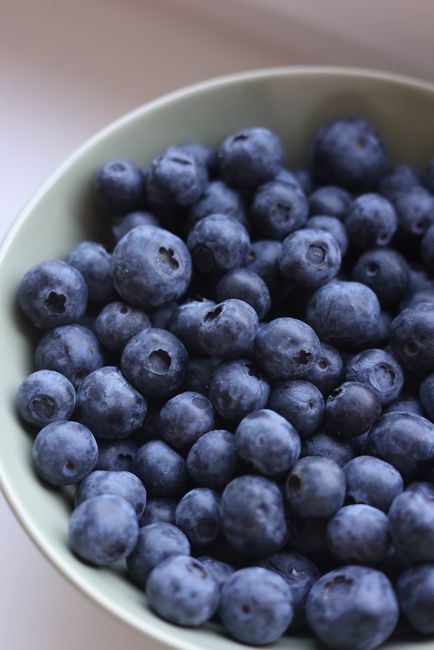
Blueberries are a small, round berry native to North America, prized for their sweet-tart flavor and dark blue-purple skin covered in a natural protective bloom. They're sold fresh, frozen, dried, and canned, and occasionally become the subject of food safety recalls tied to Listeria or Salmonella contamination found during routine testing at packing facilities. Recalls typically affect specific brands, lot numbers, and sell-by date ranges rather than blueberries as a whole, so checking your package against the official recall notice matters more than avoiding the fruit entirely.
Varieties
Wild (lowbush) blueberries are smaller, denser, and more intensely flavored than cultivated highbush blueberries, and are almost always sold frozen rather than fresh due to their delicate skins.
Buying tips
Choose berries that are firm, dry, and uniformly deep blue with a visible silvery bloom; a reddish tinge means underripe fruit. Before buying, check the package for the brand name and lot code against any active FDA or USDA recall list if you've seen recent news about a blueberry recall, since recalls are almost always limited to specific growers or repackers rather than the whole category.
Substitutes
Blackberries — 1:1
Larger and more tart with bigger seeds; best in baking where they'll be cooked down or cut into smaller pieces.
Raspberries — 1:1
Softer texture and more acidic; works well in muffins and sauces but breaks down faster than blueberries.
Frozen blueberries — 1:1
Use straight from the freezer in baking to prevent excess bleeding into batter; thaw and drain first for toppings.
Dried blueberries, rehydrated — 0.5:1
Soak in warm water or juice for 10 minutes before using; they won't hold their shape as well as fresh berries.
Storage
Store fresh blueberries unwashed in the refrigerator in their original ventilated container for up to two weeks; washing before storage introduces moisture that speeds mold growth. If a recall notice affects your specific brand or lot number, discard the product rather than freezing or cooking it, since heat does not reliably eliminate all bacterial toxins from an already-contaminated batch.
How to use
Best eaten raw by the handful, folded into pancake or muffin batter, baked into pies and cobblers, or blended into smoothies. Frozen blueberries work well in baking without thawing and in sauces reduced on the stovetop for pancake or dessert toppings.
What it pairs with
Pairs well with lemon, vanilla, cinnamon, cream, and other berries like strawberries; also complements savory dishes with goat cheese, balsamic vinegar, and arugula in salads.
Nutrition
Blueberries are high in vitamin C and vitamin K, and contain anthocyanins, the antioxidant compounds responsible for their deep color, along with fiber and manganese.
FAQ
How do I know if my blueberries are part of a recall?
Check the brand name, UPC code, and sell-by or lot number printed on the package or clamshell against the specific recall notice from the FDA or the retailer; recalls apply to particular packing dates and distributors, not every bag of blueberries on shelves.
Can I still eat blueberries if only some brands were recalled?
Yes. Recalls for contamination like Listeria or Salmonella are traced to specific growers, packers, or processing facilities, so blueberries from unaffected brands or grown separately are not implicated.
Does washing blueberries remove recall-related contamination?
No. Rinsing reduces surface dirt and residue but does not reliably remove bacteria like Listeria that may be present, so any product matching an active recall should be thrown away rather than washed and eaten.
Are frozen blueberries more likely to be recalled than fresh?
Frozen blueberries have been involved in more large-scale recalls historically because they're often sourced from multiple growers, blended in bulk, and shipped internationally, which increases the chance of cross-contamination during processing.
Can contaminated blueberries be made safe by baking or cooking?
Cooking kills live bacteria like Listeria and Salmonella, but recalled products should still be discarded rather than cooked, since recalls are issued based on health risk regardless of how the item will ultimately be used.
Have blueberries on hand? Find recipes with our Recipe Generator →