Vodka
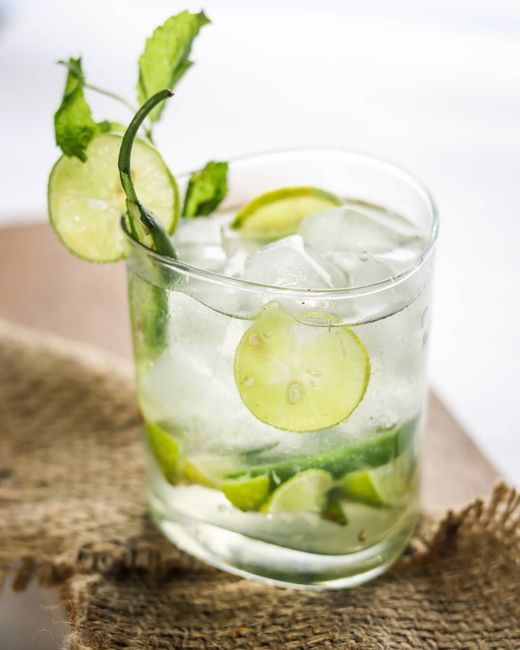
Vodka is a clear, neutral spirit distilled from grains (wheat, rye, corn) or starches like potatoes, then filtered to strip away most of the flavor and aroma the base ingredient would otherwise contribute. Most bottles sold for cocktails sit at 80 proof (40% ABV). Because it carries almost no flavor of its own, vodka works as a blank canvas in mixed drinks, letting citrus, bitters, vermouth, or fruit purees do the flavor work while the alcohol adds body and a clean burn.
Varieties
Potato vodka tends to have a slightly heavier, creamier mouthfeel than grain vodka, though both are filtered to near-neutrality and the difference is subtle in a mixed drink. Flavored vodkas (citrus, vanilla, pepper) are infused after distillation and should only replace plain vodka in recipes where that added flavor makes sense.
Buying tips
For mixed drinks, a mid-range bottle ($15-25) is indistinguishable from premium vodka once it's combined with juice, soda, or vermouth; save the expensive bottles for drinking neat or on the rocks. Check the proof on the label (80 proof/40% ABV is standard) since lower-proof vodkas will make weaker cocktails at the same pour.
Substitutes
Gin — 1:1
Same neutral grain base but infused with botanicals, mainly juniper, so it adds its own flavor rather than staying invisible. Works well in a Cosmopolitan or Bloody Mary, less so where vodka's neutrality is the point, like an Espresso Martini.
White rum — 1:1
Slightly sweeter and rounder than vodka, with a faint molasses note. A reasonable stand-in in a Moscow Mule or vodka soda.
Soju — 1.3:1
Lower proof (usually 16-24% ABV versus vodka's 40%), so use more to match the alcoholic strength, though the drink will taste noticeably milder either way.
White tequila (blanco) — 1:1
Brings an herbal, slightly peppery flavor instead of staying neutral, but mixes cleanly in citrus-forward cocktails like a vodka-based Paloma.
Non-alcoholic spirit (vodka-style) — 1:1
Distilled non-alcoholic alternatives mimic vodka's texture and mild heat without the ethanol; best for guests skipping alcohol rather than for baking or flambe, where alcohol content matters.
Storage
Vodka doesn't spoil and has no expiration date once sealed; store it at room temperature in a dark cabinet. Keeping an opened bottle in the freezer is fine for cocktails and gives it a slightly syrupy texture, but it dulls aroma, so pull it out ahead of time if you're sipping it neat.
How to use
Mixes into cocktails like the Moscow Mule, Cosmopolitan, Bloody Mary, and Espresso Martini, where it adds alcoholic strength without competing flavor. Also used in vodka pasta sauce, where a splash added to tomato and cream helps emulsify the sauce and adds a faint sharpness that cooks off, and in homemade extracts and infusions (vanilla, fruit, herbs) since it dissolves flavor compounds without adding its own taste.
What it pairs with
Pairs naturally with citrus (lime, lemon, grapefruit), ginger beer, tonic water, tomato juice, and coffee liqueur. In cooking, it complements cream-based tomato sauces and works as a flavor carrier in fruit-based desserts and marinades.
Nutrition
Plain vodka has no carbohydrates, sugar, or fat. A standard 1.5 oz (44 ml) shot at 80 proof runs about 97 calories, all from alcohol. Flavored vodkas can carry added sugar and a few extra calories per serving, so check the label if that matters.
FAQ
Does the brand of vodka actually matter in cocktails?
Less than marketing suggests. Once vodka is mixed with citrus, soda, or other strong flavors, most tasters can't reliably tell a $15 bottle from a $40 one. It matters more when vodka is served neat or over ice.
Can vodka go bad after opening?
No, thanks to its high alcohol content it doesn't spoil, grow bacteria, or oxidize the way wine does. Flavor can dull slightly over a year or two of open storage, but it remains safe to drink indefinitely.
Why do some recipes call for vodka in pie crust or pasta sauce if you can't taste it?
In pie dough, vodka replaces some of the water; because alcohol doesn't develop gluten the way water does, it keeps the dough more tender and easier to roll. In vodka sauce, it helps release flavor compounds in the tomatoes that are only soluble in alcohol, then mostly cooks off.
What's the actual difference between vodka and gin?
Both usually start from the same neutral grain spirit, but gin is redistilled or infused with botanicals, chiefly juniper, giving it a distinct piney, herbal flavor. Vodka skips that step and is filtered instead to stay as neutral as possible.
Is unflavored vodka gluten-free?
Distillation removes gluten proteins even when vodka is made from wheat or rye, so plain distilled vodka is considered gluten-free by celiac support organizations, though those especially sensitive should check for wheat-based brands specifically.
Have vodka on hand? Find recipes with our Recipe Generator →
Recipes using vodka
John Daly Drink Recipe
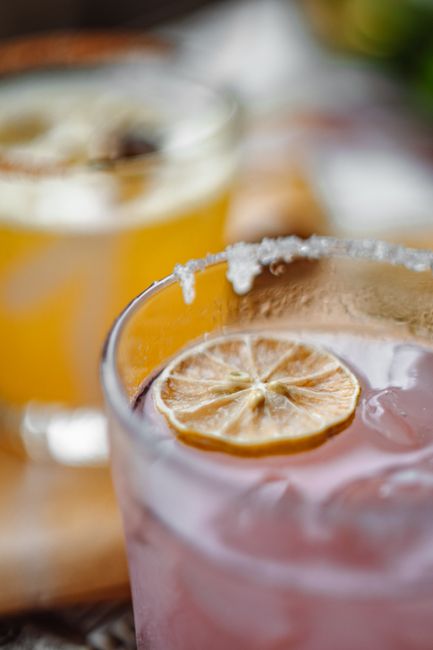
Lemon Drop Drink Recipe
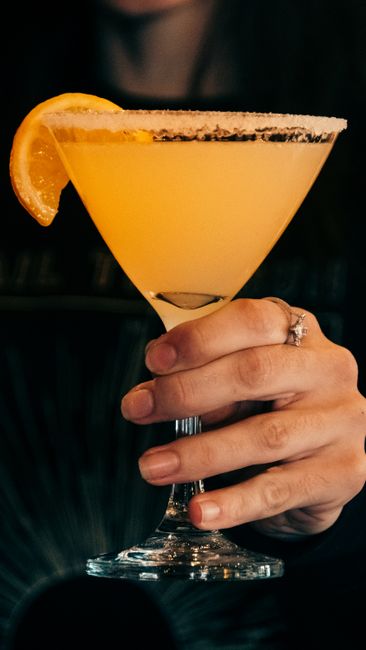
Lemon Drop Recipe
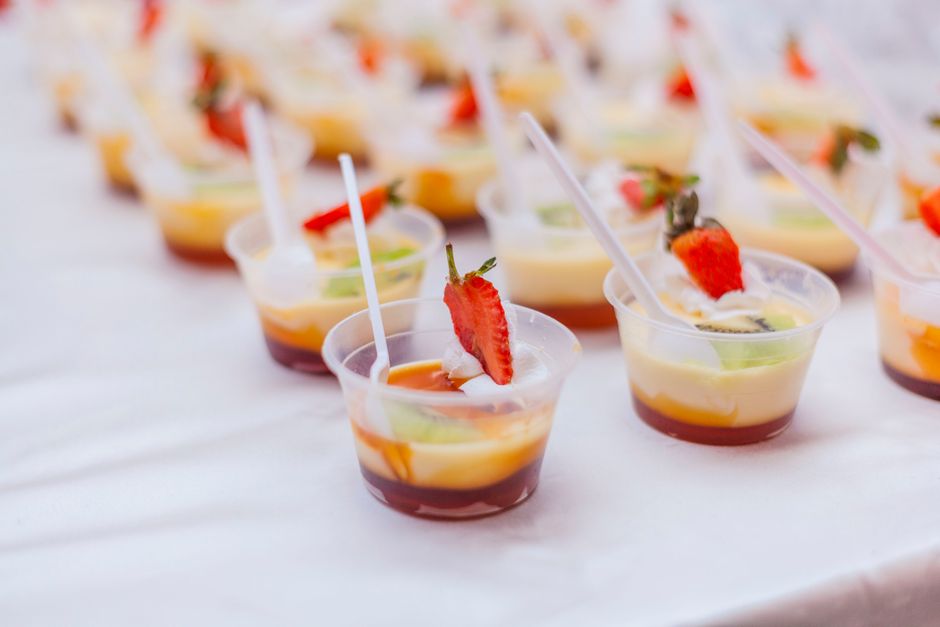
Jello Shot Recipe
Rigatoni alla Vodka Recipe
Low-Calorie Vodka Soda Recipe
Gigi Hadid Pasta Recipe
Bay Breeze Recipe
Watermelon Vodka Cocktail Recipe