White Pepper
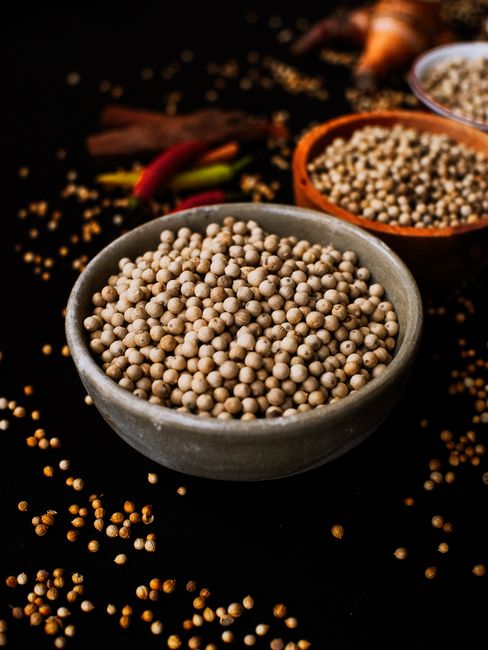
White pepper comes from the same plant as black pepper, Piper nigrum, but it's made differently. The berries are picked when fully ripe, soaked in water for about a week until the outer skin loosens and ferments off, then dried to leave just the pale inner seed. The result is milder and less citrusy than black pepper, with a muskier, slightly fermented, sharper bite. It's prized both for that distinct flavor and for staying invisible in light-colored dishes.
Varieties
White pepper isn't a different plant variety from black pepper, it's the same berry processed differently. Green peppercorns and pink peppercorns (the latter actually a different plant, Schinus) are separate processing or botanical variations worth knowing apart from true white pepper.
Buying tips
Buy whole white peppercorns and grind them fresh rather than pre-ground, since the flavor fades fast once ground. Sarawak white pepper from Malaysia and Muntok white pepper from Indonesia are the two most commonly available and well-regarded types.
Substitutes
Black pepper — 1:1
Closest heat level and the easiest swap, but it adds visible dark flecks and a brighter, more citrusy top note than white pepper's muskier flavor.
Ground ginger — 1:0.5
Adds warmth without real pepper heat. Works in soups and sauces where white pepper's job is background warmth rather than bite; pair with a pinch of cayenne if heat matters.
Cayenne pepper — 1:0.25
Much hotter by volume with a cleaner, sharper heat and no earthy funk, so use a quarter of the amount and expect a different flavor, not a true match.
Storage
Whole white peppercorns keep their flavor for a year or more in an airtight container away from light and heat. Pre-ground white pepper fades noticeably within three to four months, so buy small amounts or grind whole peppercorns as needed.
How to use
Used where black flecks would be unwelcome: white sauces, mashed potatoes, cream soups, and light-colored gravies. It's also a staple in Chinese hot and sour soup, Thai stir-fries and marinades, and German dishes like potato salad and white sausage (weisswurst), where its flavor is preferred over black pepper's brighter profile.
What it pairs with
Pairs well with cream, butter, and dairy-based sauces, delicate seafood, tofu, egg drop and hot and sour soups, and pork. It's a common partner to soy sauce and rice vinegar in Chinese and Southeast Asian cooking.
Nutrition
Used in small pinches, white pepper contributes negligible calories or nutrients. It contains piperine, the same compound responsible for black pepper's mild metabolism-boosting and digestive effects in some studies, though amounts in typical cooking are too small to matter much.
FAQ
What's the actual difference between white and black pepper?
Both come from the same berry, Piper nigrum. Black pepper is picked unripe and dried whole with the skin on, giving it a sharp, bright, citrusy flavor. White pepper is picked ripe, soaked until the skin ferments loose, then dried, producing a milder but muskier, more fermented taste.
Is white pepper hotter than black pepper?
They contain similar levels of piperine, the compound responsible for pepper's heat, but white pepper's heat feels sharper and more immediate, while black pepper carries more aromatic top notes alongside the heat.
Why do some recipes insist on white pepper instead of black?
Mostly appearance, since black flecks stand out in white sauces or mashed potatoes, but also flavor: many Chinese, Thai, and German recipes were built around white pepper's specific musky profile and taste noticeably different with black pepper substituted.
Can I grind whole white peppercorns myself?
Yes, a standard pepper mill handles white peppercorns the same as black ones. Freshly ground white pepper is noticeably more potent than pre-ground jars, which lose aroma quickly on the shelf.
Have white pepper on hand? Find recipes with our Recipe Generator →
Recipes using white pepper
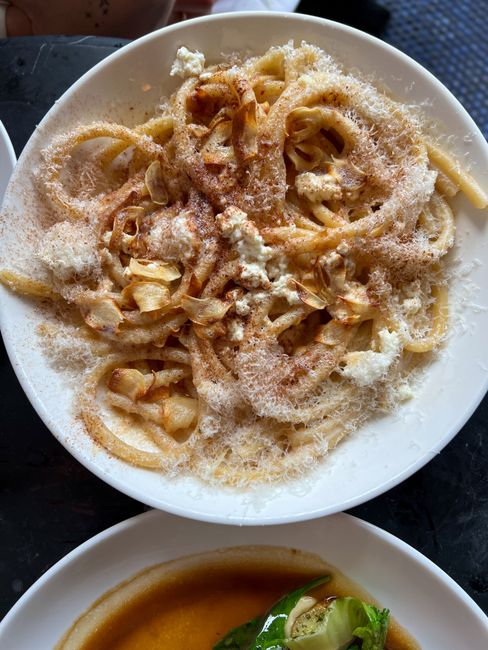
Garlic Noodles Recipe
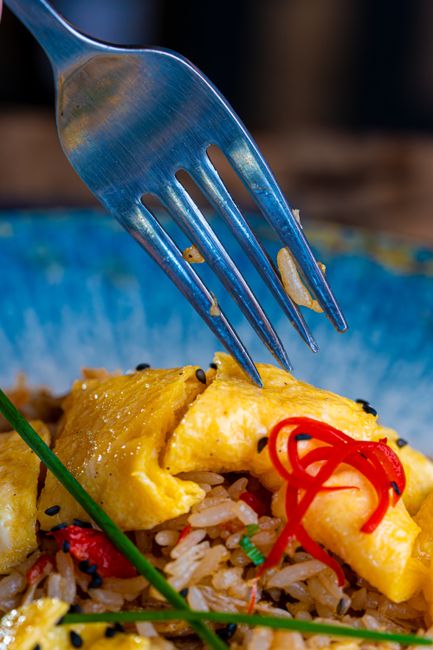
Egg Fried Rice Recipe
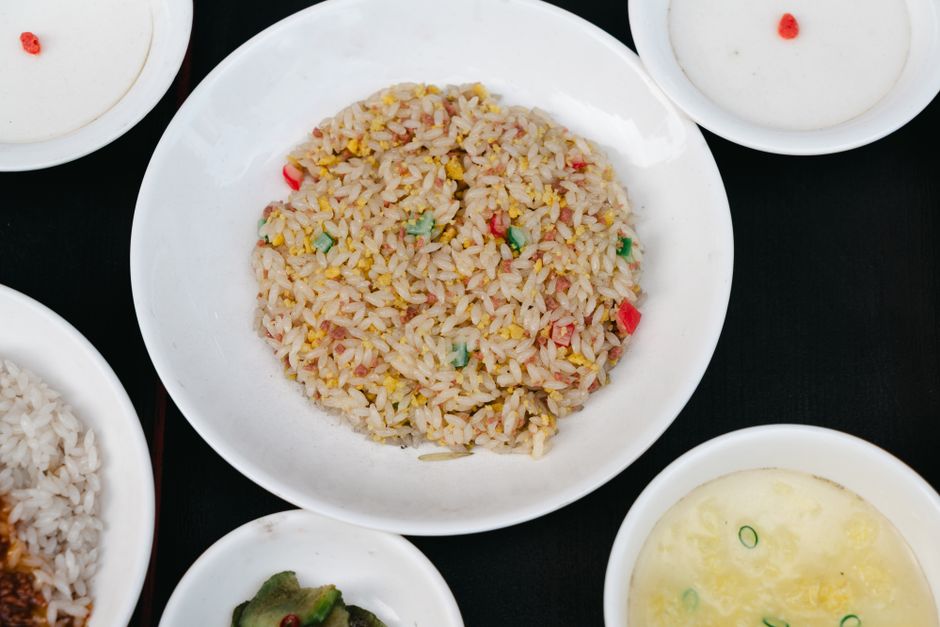
Blackstone Fried Rice

Chow Mei Fun (Singapore-Style Rice Noodles)
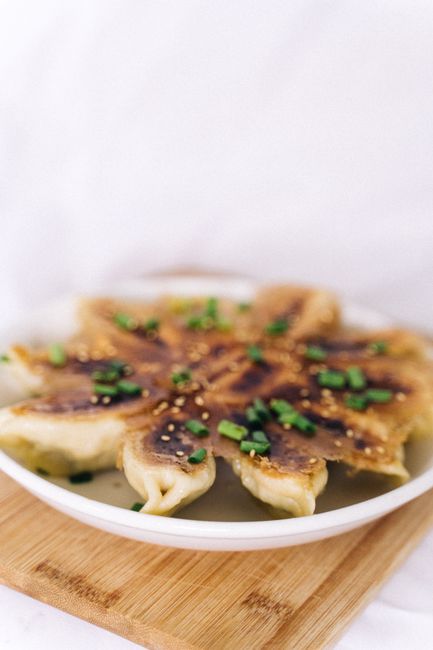
Pork and Chive Dumplings Recipe
Quiche Lorraine Recipe
Garlic Butter Mantis Shrimp Recipe
Basic White Sauce (Béchamel) Recipe