
Japanese Recipes
Japanese cooking prizes letting a few good ingredients speak clearly, whether that's a precisely seasoned bowl of rice or a quick, modern crowd-pleaser built on the same flavors. These cover both the traditional and the newer, casserole-scale takes on sushi flavors.
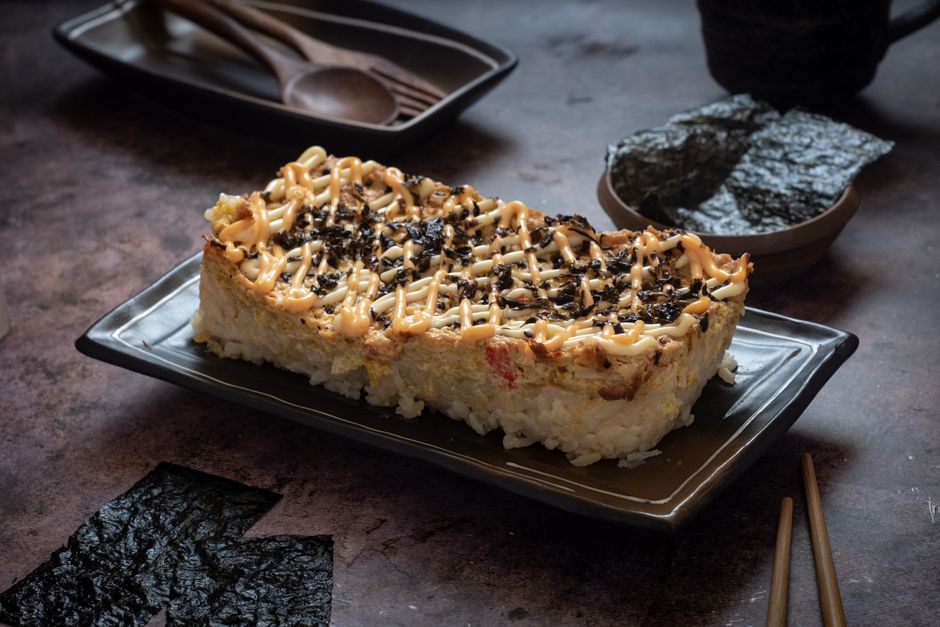
Sushi Bake
Seasoned sushi rice under a baked, creamy seafood topping, all the flavor, none of the rolling.
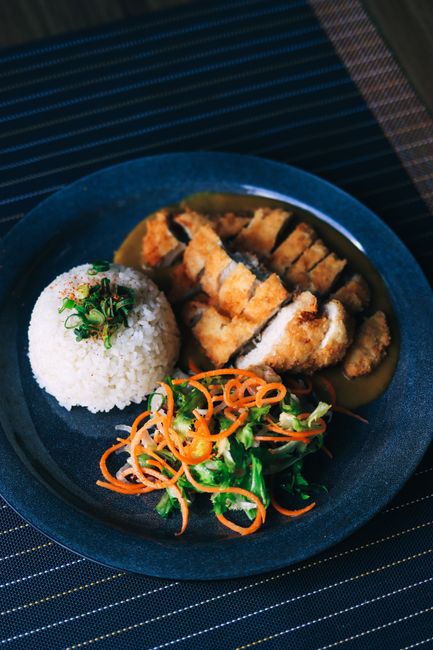
Chicken Katsu
Panko-breaded, fried chicken cutlet, sliced and served with a tangy tonkatsu sauce.
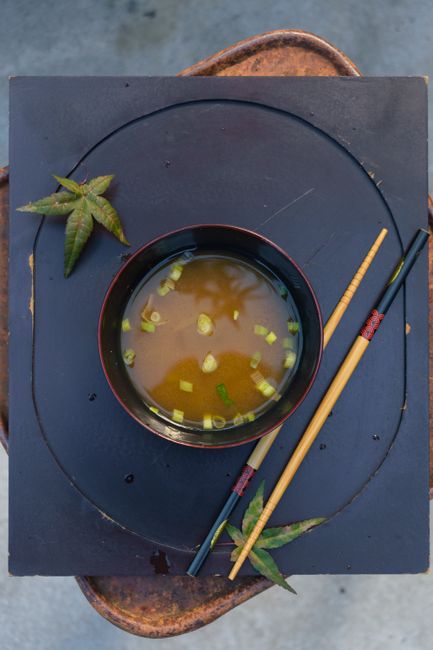
Miso Soup
A simple, savory soup built on dashi and fermented miso paste.
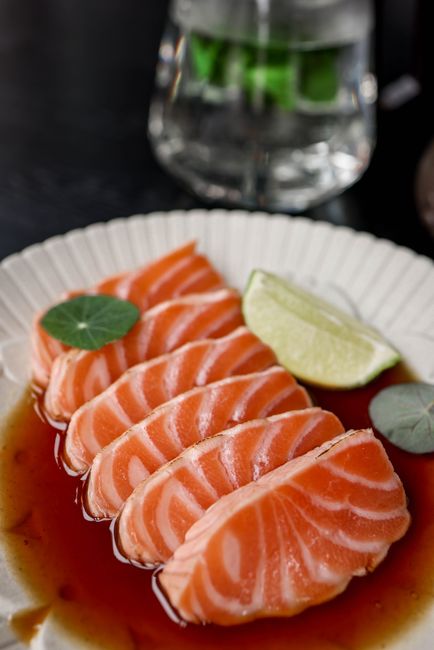
Teriyaki Salmon
Pan-glazed salmon in a sweet-savory soy, mirin, and sugar reduction.
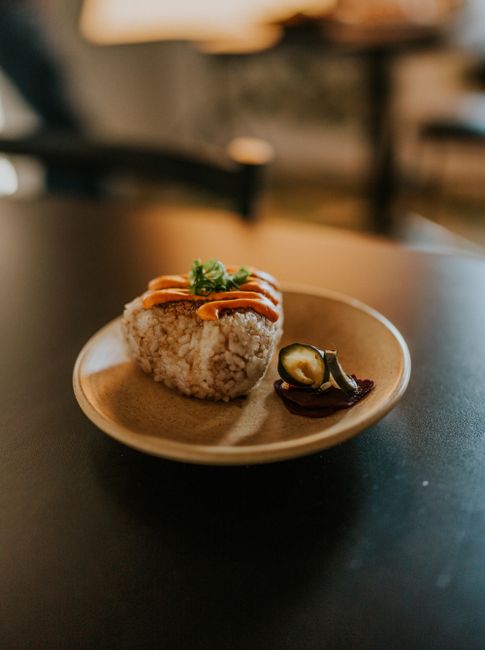
Yaki Onigiri (Grilled Rice Balls)
Pan-seared rice balls brushed with soy sauce until the outside turns crisp and toasty.
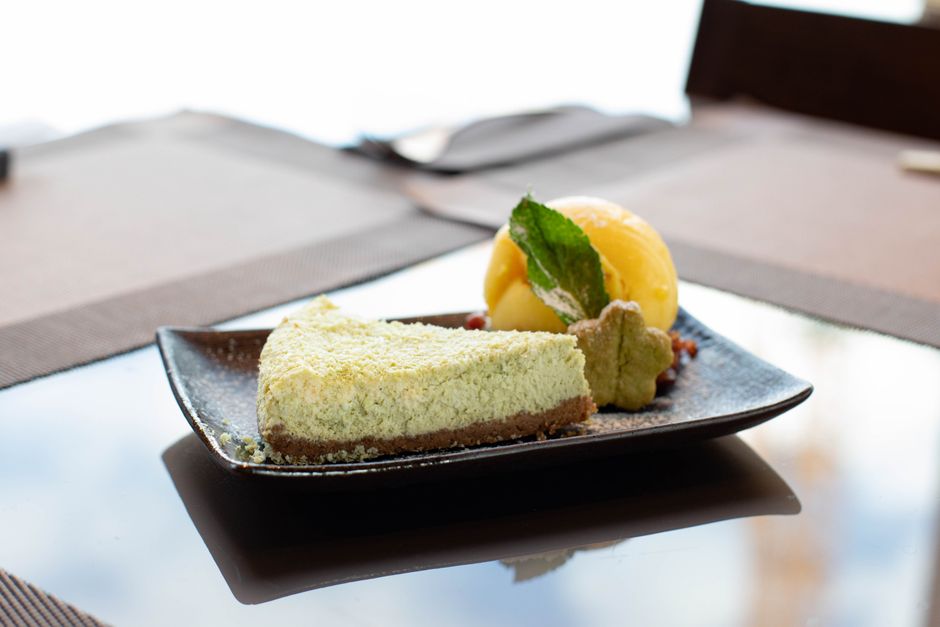
Matcha Cheesecake
A Japanese-style light, jiggly cheesecake with earthy matcha folded through it.
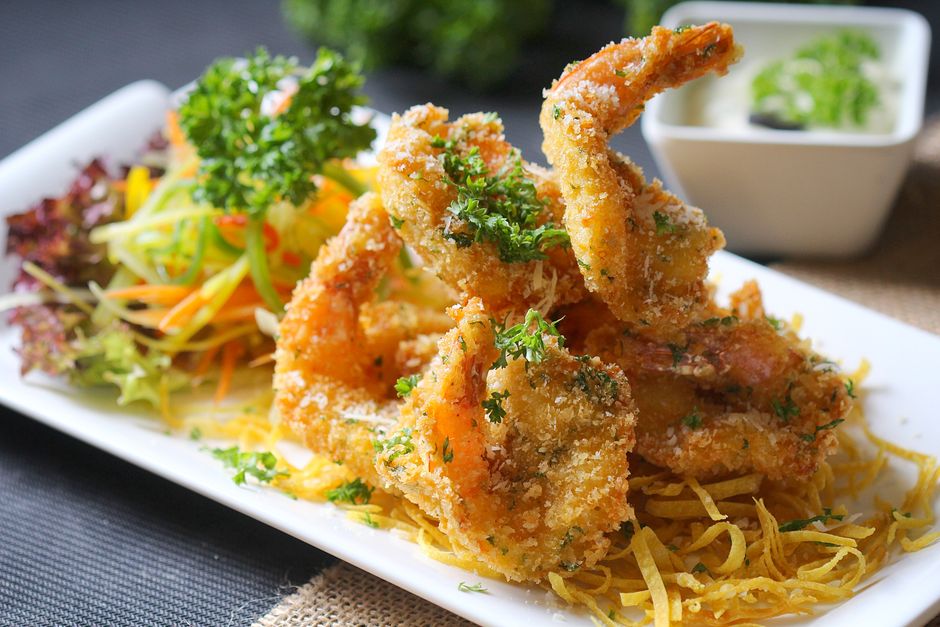
Homemade Panko Bread Crumbs Recipe
Panko is shredded from bread into large, irregular flakes instead of being ground fine like standard dried bread crumbs, which is why it stays light and shatters into a crisp, craggy crust instead of packing down into a dense, greasy coating.
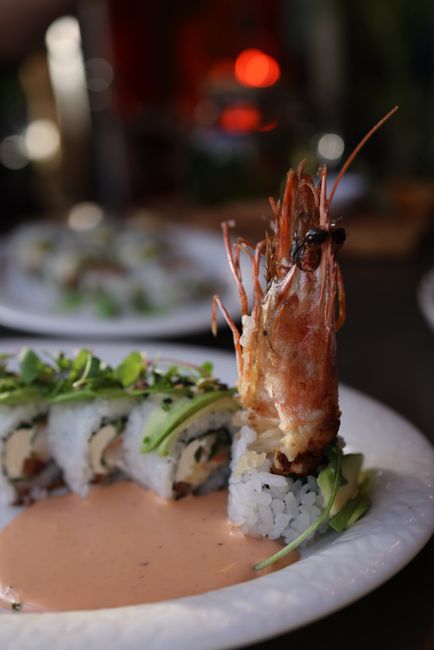
Shrimp Tempura Roll Recipe
Frying the shrimp separately and rolling it while still hot and crisp keeps the tempura crunchy inside the roll instead of turning soggy, and seasoning the rice with warm vinegar right after cooking lets it absorb evenly without going gummy.
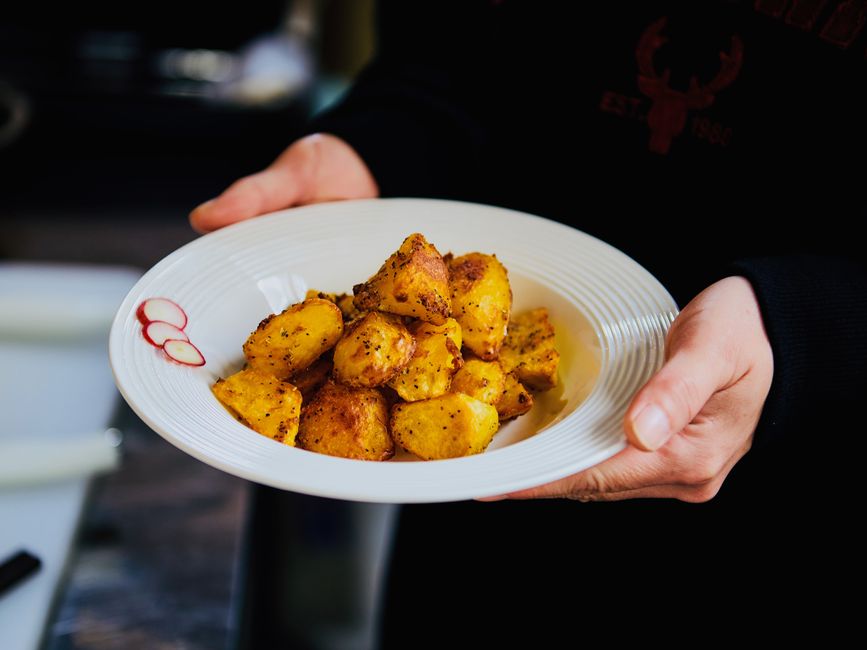
Roasted Japanese Sweet Potatoes Recipe
Japanese sweet potatoes have less water and more starch than the orange kind, so a hot oven turns their natural sugars into a deeply caramelized crust while the inside stays dry, dense, and almost chestnut-like instead of watery.

White Miso Soup Recipe
Whisking white miso paste into warm, not boiling, dashi keeps its delicate sweetness and live cultures intact, while a quick homemade dashi from kombu and bonito flakes gives the broth real depth in under 20 minutes.
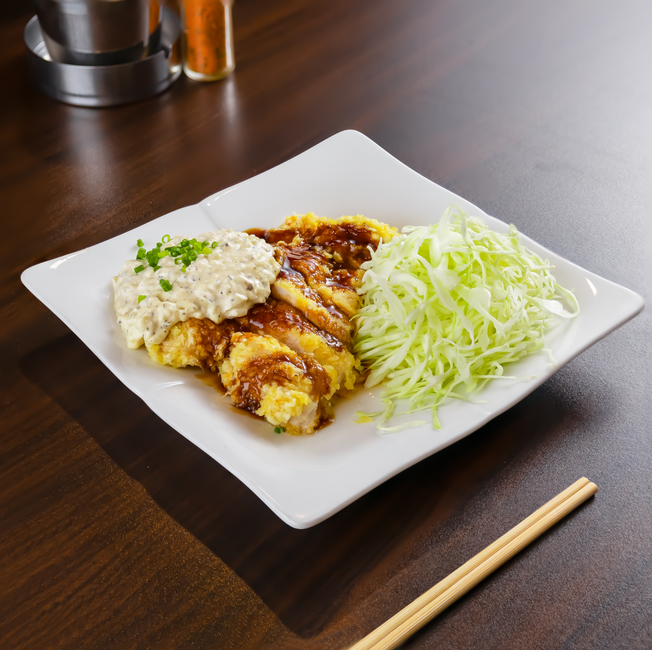
Okonomiyaki Recipe
Finely shredded cabbage folded into a thin dashi batter gives the pancake structure without turning gummy, and pressing thin slices of pork belly onto the surface before flipping renders the fat into the batter and crisps into a savory crust that holds everything together.
Taru Taru Sauce Recipe
Kewpie mayonnaise brings a richer, tangier base than standard mayo because of its extra egg yolks and rice vinegar, and briefly soaking the minced onion in water tames its raw bite so it doesn't overpower the sauce.
Spicy Tuna Roll Recipe
Dicing the tuna instead of slicing it lets the sriracha mayo cling to every surface, so the heat and richness are distributed evenly through the roll instead of pooling in one bite, and properly seasoned, well-cooled rice is what keeps the roll from turning gummy or falling apart when sliced.
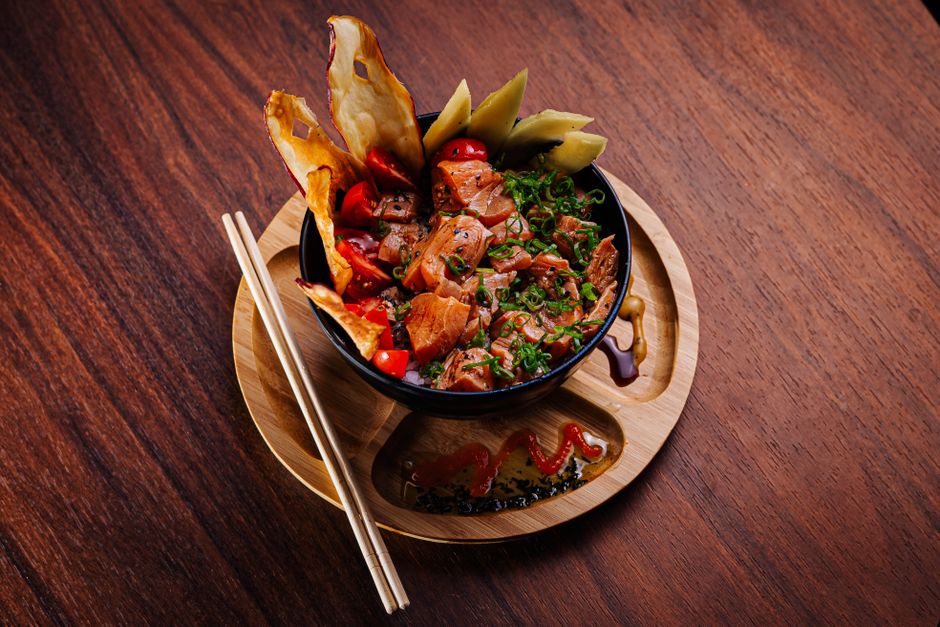
Salmon Poke Bowl Recipe
Sushi-grade salmon is cut into even cubes and marinated briefly in soy sauce, sesame oil, and rice vinegar, which seasons the fish without cooking it, so the texture stays silky and cool against warm rice and crisp vegetables.
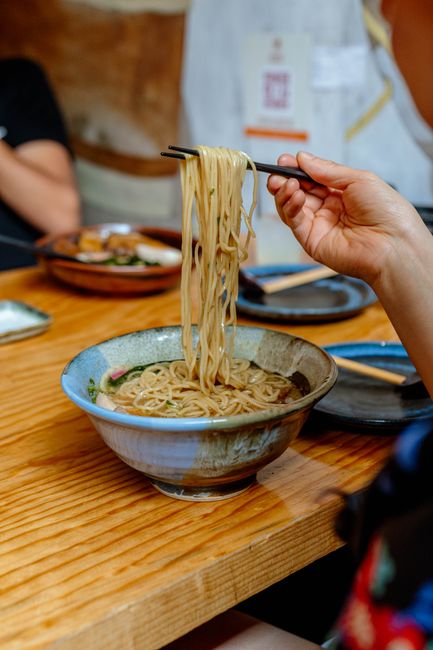
Homemade Ramen Noodles Recipe
Ramen noodles need a firm, springy bite that regular pasta doesn't have, and that comes down to two things: flour protein and alkalinity.
Milk Bread Recipe
A tangzhong, a cooked flour-and-milk paste stirred into the dough, pre-gelatinizes some of the flour's starch so it holds far more liquid than a plain dough can.
Gluten-Free Ramen Noodle Soup Recipe
Swapping wheat-based ramen noodles for a dedicated gluten-free rice noodle and using tamari instead of regular soy sauce keeps the broth's depth intact without any hidden wheat, and simmering the broth with ginger, garlic, and mushroom stems builds real savoriness in under 30 minutes.
Sushi Rice Recipe
Rinsing away surface starch keeps the grains from turning gummy, and folding in a rice vinegar, sugar, and salt mixture right after cooking lets the warm rice absorb the seasoning evenly without turning mushy.
Homemade Cup of Noodles Recipe
Layering concentrated seasoning, dried vegetables, and a noodle block in a heatproof cup means the only active cooking step left is pouring boiling water, so the ratio of salt, fat, and umami stays balanced instead of watered down or over-salted.
Tempura Batter Recipe (Light and Crispy)
Ice-cold water and barely-mixed batter keep gluten development to a minimum, so the coating fries up lacy and shatteringly crisp instead of thick and bready.
Oyakodon (Japanese Chicken and Egg Rice Bowl) Recipe
Simmering the chicken and onion in a small amount of concentrated dashi-soy broth first means the meat stays juicy and the onion turns sweet, then the beaten egg is poured in and only barely set over low heat so it stays custardy instead of turning into scrambled egg, which is what makes oyakodon taste like a rice bowl and not a stir-fry.
Roasted Murasaki Sweet Potatoes Recipe
Roasting the halves cut-side down against the hot pan concentrates the natural sugars in murasaki sweet potatoes into a deeply caramelized crust, while the dense, drier flesh (compared to orange sweet potatoes) holds its shape and turns almost chestnut-like once tender.
Salmon Bowl Recipe
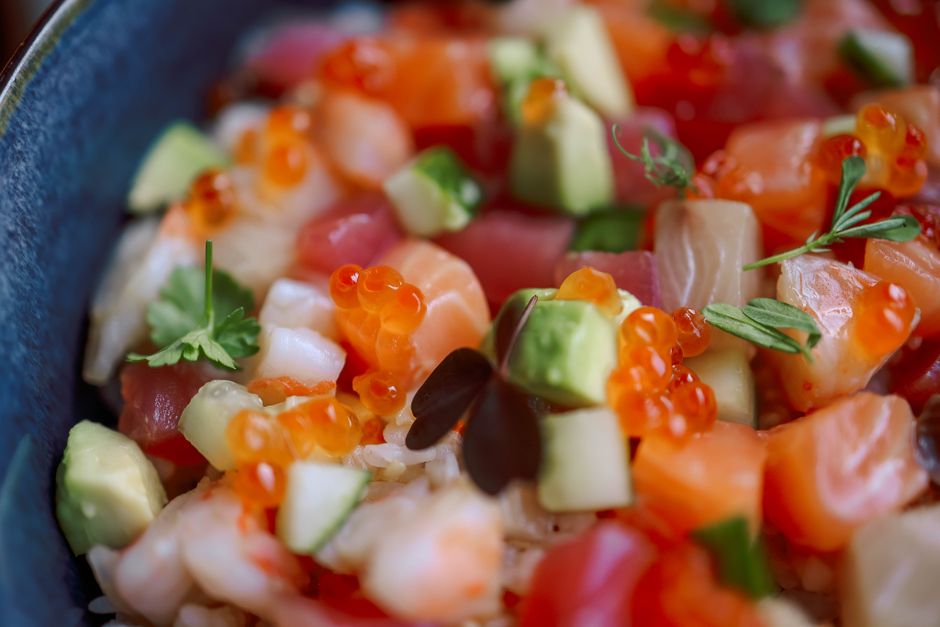
Searing the salmon skin-side down first renders the fat and crisps the skin while keeping the flesh moist, and a fast soy-ginger glaze reduces right in the same pan so the fish picks up flavor without extra dishes or marinating time.
FAQ
Is sushi bake a traditional Japanese dish?
No, it's a modern Filipino-American fusion dish, built on Japanese sushi flavors (seasoned rice, nori, a creamy seafood topping) but served casserole-style rather than rolled, it's not something you'd find as a traditional dish in Japan itself.
What's the difference between short-grain and long-grain rice for these recipes?
Short-grain (sushi) rice is stickier and clumps together once seasoned, which is what makes it work for sushi, onigiri, and similar dishes. Long-grain rice stays too separate and won't hold together the same way.