
Thai Recipes
Thai cooking is built around balancing four flavors at once, sweet, sour, salty, and spicy, rather than any one of them dominating. These lean on real, fresh aromatics (lemongrass, galangal, fresh chiles) rather than a shortcut jarred paste.

Pad Thai
Stir-fried rice noodles in a tamarind-based sauce with shrimp, egg, and peanuts.

Green Curry Chicken
Chicken simmered in a fragrant, coconut-milk-based curry with Thai basil.

Tom Yum Soup
A hot and sour shrimp soup built on lemongrass, galangal, and lime leaf.
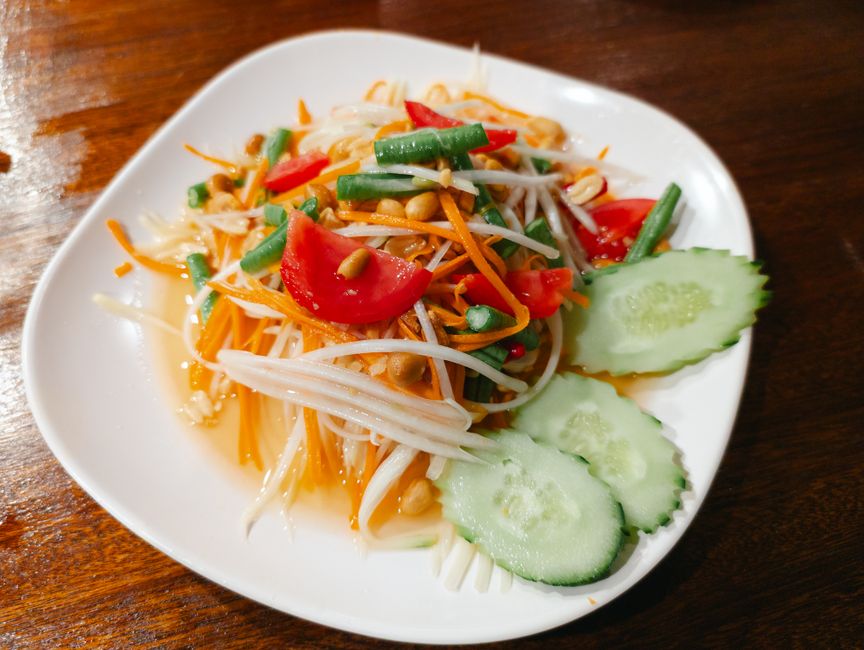
Som Tum (Green Papaya Salad)
Shredded unripe papaya pounded with chile, lime, and fish sauce in a mortar and pestle.

Mango Sticky Rice
Sweetened coconut sticky rice served alongside ripe mango slices.
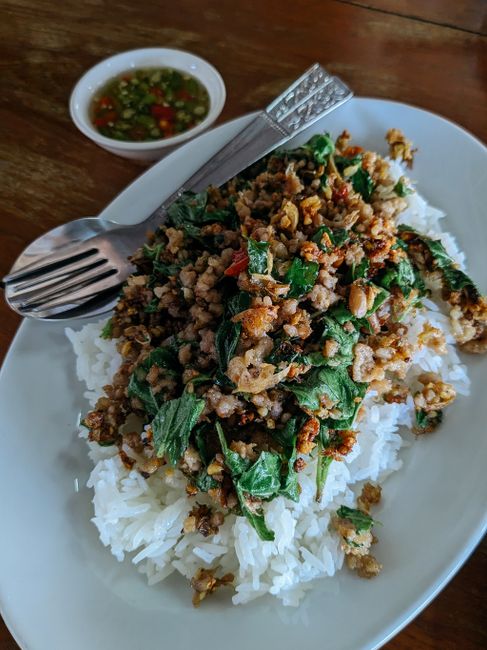
Thai Basil Chicken (Pad Kra Pao)
Quickly stir-fried ground chicken with garlic, chile, and Thai holy basil.

Homemade Thai Spice Blend Recipe
Toasting the whole seeds before grinding wakes up their essential oils, and drying out the lemongrass and kaffir lime leaf concentrates their citrus perfume so the blend stays potent for months instead of fading like fresh aromatics do within days.

Red Curry Paste Recipe
Soaking the dried chiles softens them enough to grind smoothly, while toasting the coriander and cumin seeds before grinding wakes up their oils so the paste tastes deep and layered instead of flat and raw.
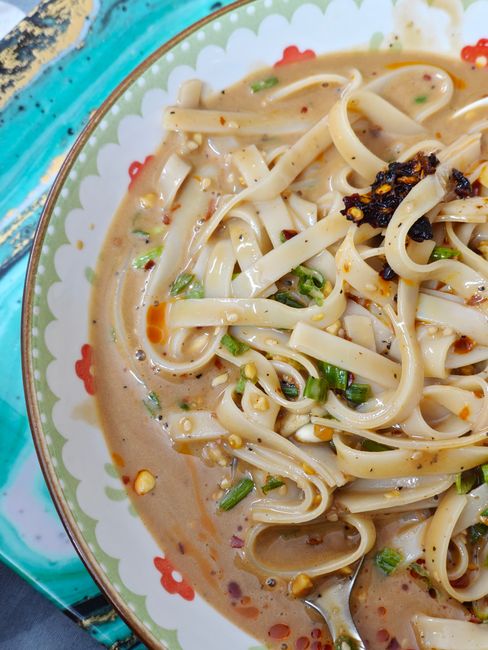
Peanut Sauce Recipe
Whisking natural peanut butter with warm water first loosens it into a pourable base, so the soy sauce, lime, and garlic blend in smoothly instead of clumping, and a touch of brown sugar balances the salt and acid without making the sauce taste sweet.
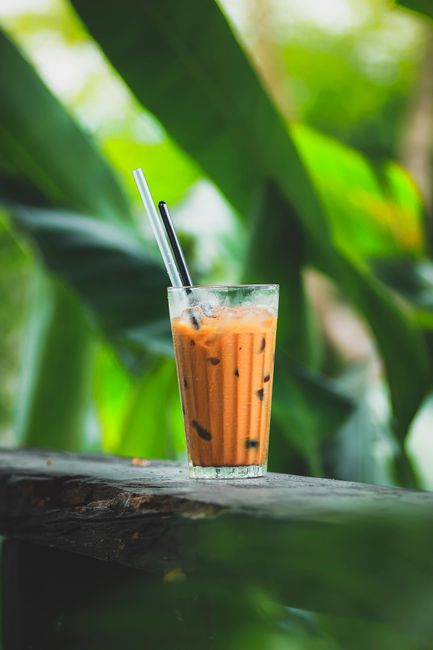
Thai Iced Tea Recipe
Steeping the tea mix strong and hot before it hits the ice keeps the flavor from getting watered down, and pouring the milk over the ice at the end creates the classic two-tone layered look instead of a muddy blend.
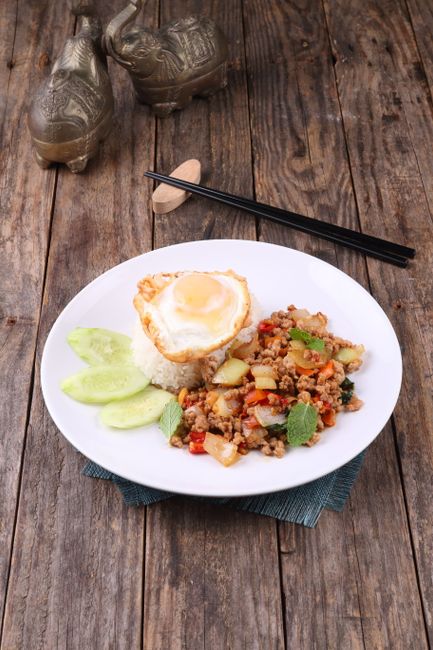
Pad Kra Pao Recipe
Cooking the garlic and chilies in hot oil first builds the aromatic base fast, and stirring in the holy basil only at the very end keeps its peppery, anise-like flavor from turning bitter or flat over prolonged heat.
Palm Sugar Coconut Sauce Recipe
Simmering coconut milk with real palm sugar (not white sugar) gives the sauce a caramel-like depth and faint smokiness that granulated sugar can't match, and a small pinch of salt sharpens the sweetness so it doesn't taste flat over rice or fruit.
Thai Peanut Sauce Recipe
Whisking peanut butter with warm coconut milk first breaks it down into a pourable base before the sharper flavors go in, so the sauce turns silky instead of clumping into a paste.
Coconut Crab Curry Recipe
Coconut milk mellows the heat of red curry paste while its natural fat carries the fragrance of lemongrass and kaffir lime, and folding in the crab meat only at the very end keeps it tender instead of shredded and rubbery.
Chicken Pad Thai Recipe
Soaking the rice noodles instead of boiling them keeps the strands from turning mushy once they hit the hot wok, and building the tamarind-fish sauce-palm sugar sauce ahead of time means the actual stir-frying takes only a few fast minutes over high heat, which is what gives pad thai its slightly charred, smoky wok flavor instead of a steamed, watery one.
FAQ
Can I make Thai curry pastes from scratch, or is store-bought fine?
Store-bought paste is a genuinely fine shortcut, even many Thai home cooks use it, homemade paste is more work (pounding fresh aromatics in a mortar and pestle) but does taste noticeably fresher and more vibrant if you have the time.
What's the difference between Thai basil and regular basil?
Thai basil has a more anise-like, slightly spicy flavor and holds up better to high heat than sweet Italian basil, which wilts and loses flavor faster in a hot stir-fry. They're not a clean 1:1 swap for each other.